Don’t Let Spiders Take Over Your Home This Season
Few things send a shiver down your spine faster than spotting a spider skittering across your living room floor. Whether it’s a tiny house spider tucked in a corner or a larger wolf spider lurking near the baseboards, these eight-legged visitors have a way of making a home feel a little less welcoming. If you’ve noticed more webs in your garage, more egg sacs in your attic, or more spiders than usual scurrying across your kitchen counter, you’re not alone—and you don’t have to live with it.
At Bingham Pest Control, we understand that spiders are more than just a nuisance. They’re a sign that your home may be offering the perfect conditions for pests to thrive: moisture, clutter, and easy entry points. The good news? With the right approach, you can reclaim your space and keep it spider-free for good.
This post walks through why spiders invade homes, the risks they can pose, and how professional treatment makes all the difference compared to DIY fixes that rarely last.
Why Are Spiders Showing Up in Your Home?
Spiders don’t move indoors without a reason. They follow their food source, and that food source is usually other insects. If your home has ants, flies, moths, or other small bugs, spiders will happily move in to take advantage of the buffet.
Several conditions make a home especially attractive to spiders:
- Cluttered spaces: Basements, garages, and attics filled with boxes, old furniture, or stacked firewood give spiders plenty of places to hide and build webs undisturbed.
- Moisture: Damp basements, leaky pipes, and poorly ventilated crawl spaces create the humid environment many spider species prefer.
- Easy entry points: Small gaps around windows, doors, vents, and foundation cracks are all spiders need to slip inside.
- Outdoor lighting: Porch lights and exterior fixtures attract flying insects at night, which in turn draw spiders looking for an easy meal.
Once spiders establish themselves indoors, they tend to stick around. Many species can survive for months without a fresh food source, which means a small infestation can quietly grow into a much bigger problem before you even notice.
Are Spiders in Your Home Actually Dangerous?
Most spiders found in homes across the country are harmless and, in fact, play a helpful role outdoors by keeping other insect populations in check. However, that doesn’t mean they belong inside your living space.
A few species do pose a genuine health risk. Black widows and brown recluse spiders, for example, deliver bites that can cause serious reactions, particularly in children, older adults, or anyone with a compromised immune system. Even non-venomous spiders can trigger allergic reactions in sensitive individuals, and their webs and egg sacs create an unsightly mess that’s hard to keep up with.
Beyond the physical risk, there’s the simple matter of peace of mind. Finding spiders in your bedroom, bathroom, or kitchen on a regular basis makes it difficult to feel truly comfortable in your own home. That discomfort is reason enough to take action.
Why DIY Spider Treatments Often Fall Short
It’s tempting to reach for an over-the-counter spray or a homemade vinegar solution the moment you spot a spider. These methods can kill the spider in front of you, but they rarely address the bigger picture.
Here’s why DIY approaches tend to fail:
- They only treat what you can see. Sprays and traps handle visible spiders but do nothing for the ones hiding behind walls, under furniture, or in attic insulation.
- They don’t eliminate the food source. If other insects are still present, new spiders will keep arriving to replace the ones you’ve removed.
- They miss entry points. Without sealing the cracks and gaps spiders use to get inside, you’re fighting an endless cycle of new arrivals.
- Store-bought products vary in strength. Many consumer-grade pesticides are diluted for safety and simply aren’t strong enough to handle a persistent infestation.
A homeowner might spend weeks spraying every corner of the house only to see spiders return within days. That frustration is common, and it’s exactly why professional pest control exists.
How Professional Spider Treatment Makes a Lasting Difference
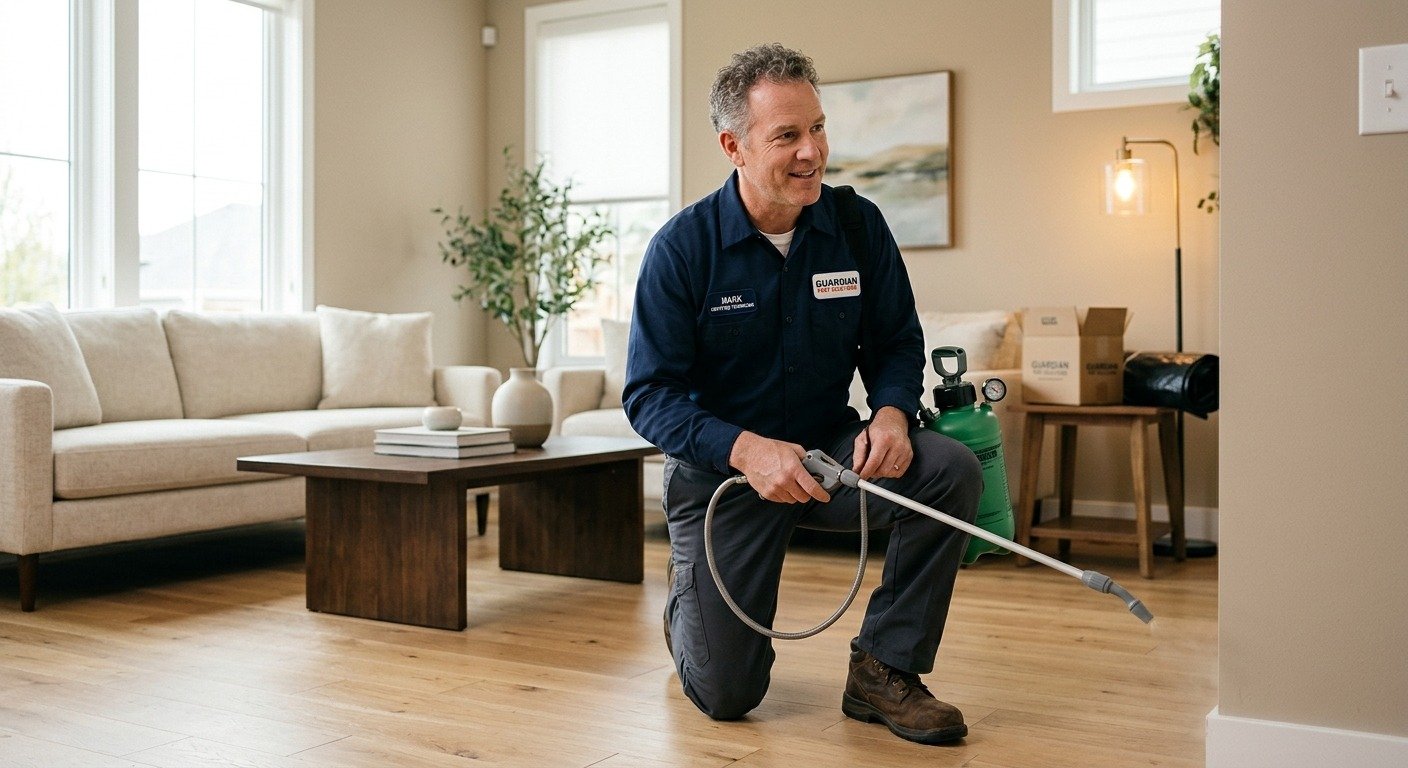
A trained pest control technician approaches spider problems differently than a store-bought spray ever could. Rather than just targeting spiders you can see, professionals identify the conditions drawing them indoors and treat the problem at its source.
Get rid of unwanted house guests for good with professional Spider Control that targets spiders at every stage, from egg sacs to full-grown adults, while also addressing the insects they feed on. A thorough inspection identifies entry points, moisture issues, and hiding spots that homeowners often overlook. From there, targeted treatments are applied both inside and around the perimeter of the home, creating a barrier that discourages spiders from coming back.
What sets professional treatment apart is the follow-through. Rather than a one-time spray, ongoing pest control plans monitor your home over time, adjusting treatment as seasons change and new risks emerge. Spring and fall, in particular, tend to bring spikes in spider activity as temperatures shift, making regular visits especially valuable.
At Bingham Pest Control, our technicians take the time to explain what they find and why they’re recommending a particular course of treatment. We believe homeowners deserve transparency, not just a quick fix. Our goal is to help you understand your home’s specific vulnerabilities so you can make informed decisions about protecting it long term.
Simple Habits to Help Keep Spiders Away
While professional treatment handles the heavy lifting, a few everyday habits can help maintain results between visits:
- Keep storage areas tidy and avoid letting boxes or clutter pile up in basements and garages.
- Seal visible cracks around windows, doors, and foundation walls.
- Run a dehumidifier in damp areas like basements and crawl spaces.
- Keep outdoor lighting to a minimum near entry points, or switch to yellow bug lights that attract fewer insects.
- Vacuum regularly, paying close attention to corners, closets, and under furniture where webs tend to form.
These small steps won’t replace professional treatment, but they go a long way toward making your home a less appealing destination for spiders in the first place.
Take Back Your Home from Unwanted Pests
Spiders don’t have to be part of everyday life in your home. With a clear understanding of what draws them in and a reliable plan for keeping them out, you can enjoy a cleaner, more comfortable living space all year round.
If you’ve noticed more webs, more egg sacs, or more spiders than you’d like, now is the time to act. Reach out to Bingham Pest Control to schedule an inspection and find out how a tailored treatment plan can bring lasting relief to your home.
FOR MORE VISIT: Wyf Meaning