
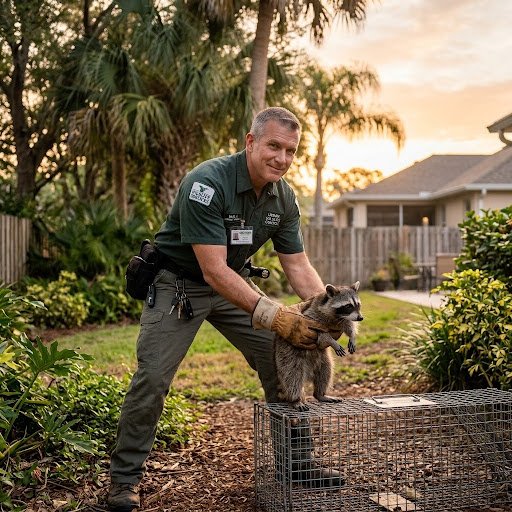
From Attics to Yards: Why Palm Beach Trusts Professional Animal Control
Raccoons rustling in the attic at 2 a.m. Squirrels chewing through soffits. A family of opossums setting up camp under the porch. If you live in Palm Beach, chances are you’ve had at least one uninvited animal guest try to move into your home or yard. And while wildlife is part of what makes South Florida so beautiful, it doesn’t belong indoors.
Dealing with a wild animal on your property isn’t just inconvenient — it can be genuinely stressful. Between the noise, the property damage, and the health risks these critters can carry, most homeowners want the problem gone yesterday. The good news? You don’t have to handle it alone, and you definitely don’t have to handle it yourself.
This post breaks down the most common wildlife issues facing Palm Beach homeowners, why DIY removal often backfires, and how a trusted local team can help you take your home back — safely and for good.
What Wildlife Problems Are Most Common in Palm Beach Homes?
Palm Beach’s warm, humid climate is a magnet for wildlife looking for shelter, food, and a place to raise their young. The most frequent offenders include:
- Raccoons — Notorious for tearing into rooflines and attics, especially during nesting season.
- Squirrels — Small but destructive, often chewing through wiring and insulation.
- Rats and mice — Fast breeders that can turn a minor infestation into a major one within weeks.
- Opossums — Frequently found nesting under decks, sheds, or crawl spaces.
- Bats — Common in older homes with gaps near the roofline, and protected by state regulations that require specialized removal methods.
- Iguanas — An increasingly common nuisance species in South Florida, known for digging burrows that damage landscaping and seawalls.
Each of these animals brings its own set of challenges, and what works for one species can be completely ineffective — or even illegal — for another.
Why Is DIY Wildlife Removal Risky?
It’s tempting to grab a trap from the hardware store and handle the problem yourself. But wildlife removal is more complicated than it looks, and doing it wrong can make things worse.
Health risks. Wild animals can carry parasites, fleas, and diseases such as rabies or leptospirosis. Droppings from bats and rodents can also contaminate insulation and air quality, creating hidden health hazards long after the animal is gone.
Legal restrictions. Florida has specific regulations around the humane treatment and relocation of wildlife. Bats, for example, are protected during maternity season, meaning removal must follow strict guidelines to avoid trapping young bats inside a structure.
Repeat visitors. Removing a single animal doesn’t solve the underlying issue. If entry points aren’t sealed and the property isn’t treated for scent markers, another animal will likely move in within weeks.
Incomplete solutions. Traps purchased at retail stores are often designed for general use, not for the specific species causing damage on your property. This leads to wasted time, frustrated homeowners, and animals that remain on-site.
What Should You Look for in a Wildlife Removal Company?
Not all wildlife control services are created equal. Before hiring a company to handle a critter problem, it’s worth checking for a few key things:
- Licensing and insurance. This protects both your home and the technicians working on it.
- Humane removal practices. Reputable companies prioritize trapping and relocation methods that don’t harm the animal.
- Exclusion services. Removing the animal is only half the job — sealing entry points is what prevents round two.
- Local experience. A company familiar with Palm Beach’s specific wildlife patterns will know what to expect based on the season, the neighborhood, and the type of property.
- Clear guarantees. Look for a company that stands behind its work with a warranty on repairs and removals.
How Palm Beach Wildlife Services Solves the Problem for Good
Animal Control provides a dependable, fully humane solution for removing nuisance wildlife from your home while protecting your family, your pets, and your peace of mind. Palm Beach Wildlife Services is built around that approach, combining hands-on trapping expertise with long-term prevention strategies designed to keep animals from returning and help homeowners enjoy lasting protection.
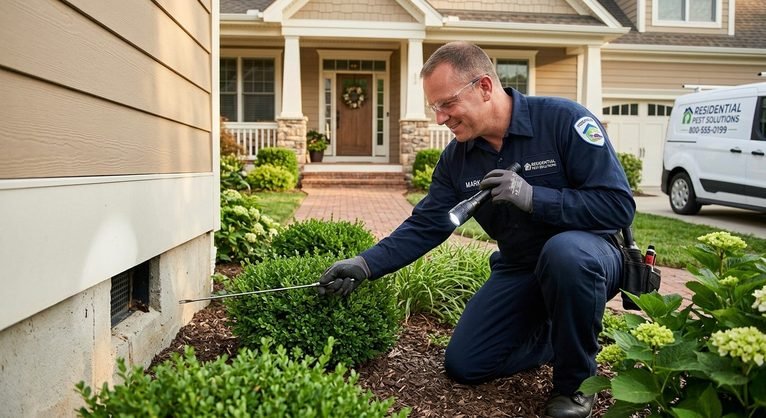
Our technicians start with a full property inspection to identify how animals are getting in and why they’re drawn to your home in the first place. From there, we handle safe, humane trapping and relocation, followed by exclusion work to seal up entry points like roof gaps, vent openings, and foundation cracks. For homes affected by bats or rodents, we also offer attic cleanup and sanitation services to remove contaminated insulation and restore healthy air quality.
Every job is backed by our satisfaction guarantee, so you’re not left wondering whether the problem will resurface next month. Whether it’s a single raccoon in the attic or a larger infestation affecting multiple areas of your property, our team has the experience and equipment to handle it efficiently.
Take Back Your Home Today
Wildlife problems rarely resolve themselves, and the longer they go unaddressed, the more damage — and cost — they tend to create. If you’re hearing scratching in the walls, spotting droppings in the attic, or noticing torn-up landscaping in your yard, it’s time to bring in professionals who know exactly how to handle it.
Palm Beach Wildlife Services is ready to help you reclaim your home with fast, humane, and long-lasting solutions. Reach out today for an inspection and take the first step toward a critter-free property.
Frequently Asked Questions
How quickly can a wildlife removal team respond to a problem?
Most reputable companies, including Palm Beach Wildlife Services, offer same-day or next-day inspections for active wildlife issues, especially when there’s a risk of ongoing property damage.
Is wildlife removal safe for pets and children?
Yes, when handled by trained professionals. Humane trapping methods and proper sanitation ensure that pets and family members aren’t exposed to disease or aggressive animal encounters.
Will the animals come back after removal?
Not if the entry points are properly sealed. Exclusion work is a critical step that prevents repeat visits from the same species or new animals looking for shelter.
How much does professional wildlife removal typically cost?
Costs vary depending on the animal species, extent of damage, and whether exclusion or cleanup services are needed. Most companies provide a free or low-cost inspection before quoting a final price.



One Comment