
Energy-Efficient AC Solutions: Cool Smarter, Save More
Summer bills shouldn’t make you sweat more than the heat outside. Yet for countless homeowners, that’s exactly what happens when an outdated air conditioning system works overtime to keep rooms comfortable. The good news? Modern cooling technology has come a long way, and switching to a smarter system can transform both your comfort and your monthly expenses.
DrewCo Air Conditioning has spent years helping homeowners rethink how they cool their spaces. Rather than simply replacing old units with newer versions of the same technology, DrewCo focuses on matching each home with a system designed for genuine efficiency. That distinction matters more than most people realize, especially as energy costs continue to climb and environmental concerns shape purchasing decisions.
This post breaks down what makes an AC system truly energy-efficient, the benefits homeowners can expect, and how to choose the right setup for your space.
What Makes an Air Conditioner “Energy-Efficient”?
Not all air conditioners are created equal. Energy efficiency comes down to how much cooling output a system produces relative to the energy it consumes. Systems with higher Seasonal Energy Efficiency Ratio (SEER) ratings deliver more cooling per unit of electricity, which translates directly into lower utility bills.
Several factors influence a system’s overall efficiency:
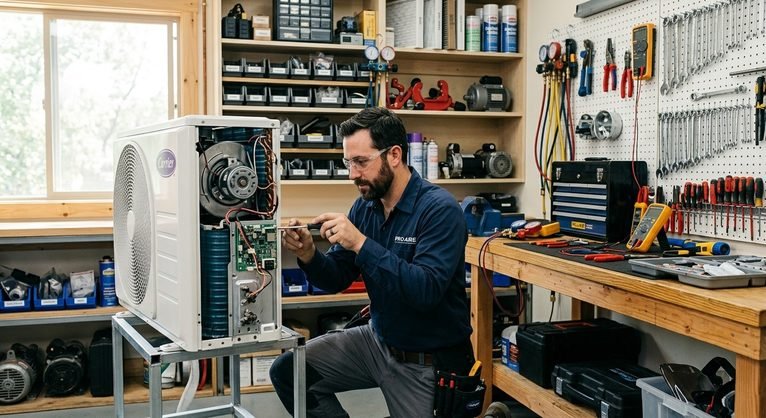
- Compressor technology: Variable-speed compressors adjust output based on real-time cooling needs, rather than cycling on and off at full power.
- Refrigerant type: Newer refrigerants cool more effectively while reducing environmental impact.
- Ductwork condition: Even the most efficient unit loses performance if ducts are leaky or poorly insulated.
- Thermostat integration: Smart thermostats help systems run only when and where needed, cutting unnecessary energy use.
Understanding these components helps homeowners see why two systems with similar price tags can perform very differently over time.
Why Upgrading Your Cooling System Pays Off
Many homeowners delay upgrading their AC system because the upfront cost feels steep. But when you factor in long-term savings, the math often tells a different story.
Lower Monthly Energy Bills
Older systems, especially those installed more than a decade ago, tend to run far less efficiently than today’s models. Upgrading to a newer system can noticeably reduce monthly cooling costs, particularly during peak summer months when demand is highest.
Fewer Repairs and Longer Lifespan
Aging units tend to break down more frequently as components wear out. Newer systems are built with improved materials and diagnostics that reduce strain on the system, meaning fewer emergency repair calls and a longer overall lifespan.
Improved Indoor Comfort
Efficient systems don’t just cool consistently; they also manage humidity better and distribute airflow more evenly throughout the home. This means fewer hot spots and a more comfortable living environment year-round.
A Smaller Environmental Footprint
Reducing household energy consumption contributes to lower overall demand on power grids, especially during high-usage seasons. For homeowners who prioritize sustainability, an efficient cooling system is a tangible way to reduce environmental impact without sacrificing comfort.
How to Choose the Right System for Your Home
Selecting a new AC system isn’t a one-size-fits-all decision. The right choice depends on your home’s size, layout, insulation quality, and cooling needs.
Consider Your Home’s Square Footage
A system that’s too small will struggle to cool your space, running constantly and wearing down faster. One that’s too large will cycle on and off too quickly, leading to uneven cooling and wasted energy. Getting the sizing right is essential for both comfort and efficiency.
Evaluate SEER Ratings
Higher SEER ratings generally mean better efficiency, but the ideal rating depends on your climate and budget. A qualified technician can help you weigh the upfront cost against long-term energy savings.
Factor in Ductwork and Insulation
Even a top-tier system won’t perform well if your home’s ductwork is outdated or your insulation is inadequate. Addressing these issues alongside an AC upgrade ensures you get the full benefit of your investment.
Think About Smart Controls
Pairing your new system with a smart thermostat allows for more precise temperature management, scheduling, and remote control, adding another layer of efficiency to your cooling setup.
Why Homeowners Trust DrewCo for Their Cooling Needs
Energy-efficient AC solutions designed around your home’s unique layout and cooling demands can make the difference between a system that merely works and one that truly performs for years to come. That’s the approach DrewCo Air Conditioning takes with every installation. Rather than offering generic recommendations, the team evaluates each home individually, factoring in square footage, insulation, existing ductwork, and your household’s specific comfort preferences.
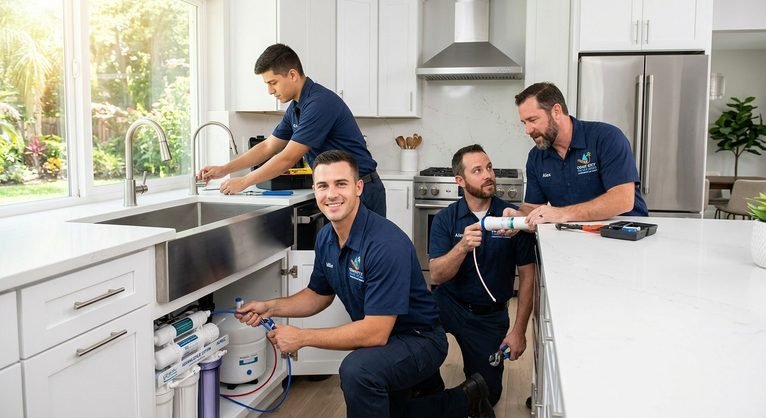
DrewCo’s technicians walk homeowners through every option, explaining the trade-offs between different systems in plain language, so you can make a confident, informed decision. From initial consultation to installation and ongoing maintenance, the goal is always the same: a cooling system that performs reliably while keeping energy costs under control.
Ready to Upgrade Your Cooling System?
An efficient air conditioning system isn’t just an appliance. It’s an investment in your comfort, your budget, and your home’s long-term value. Whether you’re dealing with a system that’s on its last legs or simply want to reduce your energy bills, upgrading to a more efficient setup is one of the most impactful changes you can make to your home this year.
Reach out to DrewCo Air Conditioning today to schedule a consultation and find the cooling solution that fits your home and your budget.