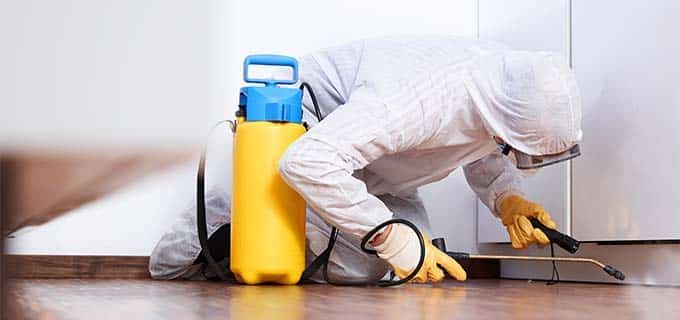
Cockroach Control Guide: Inspection, Treatment Methods, Prevention, and Long-Term Protection
Cockroaches are among the most persistent pests that can enter a home or commercial property. They can survive in a wide variety of environments and are particularly attracted to places that provide food, moisture, warmth, and shelter. Once they establish themselves, they can be difficult to eliminate because they spend much of their time hiding in cracks, cabinets, wall spaces, appliances, drains, and other concealed areas. For this reason, successful Cockroach Control requires more than eliminating the insects that happen to be visible. It involves identifying where cockroaches are living, removing conditions that support their activity, sealing potential entry points, and using appropriate treatment methods to address both current and developing populations.
A cockroach problem can develop gradually, making early detection especially valuable. A few insects may enter from outside or arrive inside through packages, plumbing openings, or other pathways without establishing a permanent population. However, repeated sightings, droppings, egg cases, unusual odors, or frequent nighttime activity can indicate a more significant problem. Addressing these warning signs promptly can help prevent the infestation from spreading to additional rooms or becoming more difficult to manage.
Understanding Cockroach Habits
Cockroaches are generally nocturnal, meaning they are most active after dark. During daylight hours, they tend to remain in sheltered locations where they are protected from people and environmental disturbances. Common hiding areas include gaps around cabinets, spaces behind refrigerators and ovens, plumbing voids, wall cavities, drains, storage areas, and cluttered sections of a building.
These pests are highly adaptable and can survive on surprisingly small amounts of food. Crumbs, grease, food residue, garbage, pet food, and organic debris can provide enough nourishment to support an infestation. Water is equally important. Leaking pipes, dripping faucets, condensation, damp cabinets, and other moisture sources can make a property particularly attractive.
Cockroaches can also move through very small openings. Cracks around walls, doors, windows, pipes, utility lines, and vents can provide access from one area to another. Understanding these habits is important because effective pest management must address the conditions that allow cockroaches to survive rather than focusing exclusively on individual insects.
Recognizing the Warning Signs
Visible cockroaches are the clearest sign of activity, but they are not the only indication of an infestation. Small dark droppings may appear inside cabinets, along baseboards, behind appliances, or in other concealed locations. Depending on the species and environment, these droppings may resemble tiny dark specks.
Egg cases can provide additional evidence. Cockroach egg cases contain developing young and may be hidden in protected areas. Their appearance differs among species, so accurate identification can be useful when determining an appropriate management strategy.
A persistent musty or unpleasant odor can sometimes develop when cockroach activity becomes extensive. The odor may be more noticeable in enclosed spaces or areas with poor ventilation.
Another warning sign is unusual daytime activity. Cockroaches normally prefer darkness, so seeing them regularly during daylight can indicate that hiding areas are becoming crowded or that the population is substantial. While daytime sightings alone do not establish infestation severity, they should encourage further inspection.
Why Infestations Can Be Difficult to Eliminate
Cockroaches can be challenging to manage because they are capable of hiding in places that are inaccessible during ordinary cleaning. Treating only the areas where insects are visible may leave significant portions of the population undisturbed.
Their reproductive cycle can also contribute to persistence. Eggs and developing insects may remain hidden while adult cockroaches continue to reproduce. Eliminating a few adults may therefore produce only temporary improvement if the underlying population remains.
Cockroaches can also travel through connected spaces in buildings. In apartments, offices, and other multi-unit structures, they may move through plumbing penetrations, wall voids, utility spaces, or shared areas. Treating one room or unit without considering neighboring areas may not resolve the underlying source.
For these reasons, a comprehensive approach that combines environmental improvements, monitoring, exclusion, and targeted treatment is generally more effective than repeated spot spraying.
Improving Household Sanitation
Reducing access to food is an important part of Cockroach Control. Food should be stored in sealed containers rather than left exposed on counters or open shelves. Crumbs, spills, and food residue should be cleaned promptly, especially in kitchens and dining areas.
Garbage should be removed regularly, and trash containers should have secure lids. Recycling materials can also attract cockroaches when containers contain food or beverage residue, so recyclable items should be handled appropriately.
Areas underneath and behind appliances deserve particular attention. Refrigerators, ovens, microwaves, and other equipment can accumulate crumbs and grease in places that are rarely cleaned. Regularly inspecting these spaces can eliminate potential food sources.
Pet food should also be managed carefully. Bowls containing uneaten food should not remain exposed unnecessarily, particularly overnight when cockroaches are most active.
Controlling Moisture
Water can be just as important as food when cockroaches select a place to live. Even a small plumbing leak can create a reliable moisture source that supports pest activity.
Leaking faucets and pipes should be repaired promptly. Condensation around air-conditioning equipment, refrigerators, water heaters, and plumbing fixtures should also be monitored.
Bathrooms should have adequate ventilation so that moisture does not remain trapped for long periods. Wet towels, damp materials, and standing water should be addressed whenever possible.
Reducing moisture does not guarantee that an infestation will disappear, but it makes the environment less favorable. Combined with sanitation and exclusion, moisture management can play an important role in reducing the conditions cockroaches need to survive.
Sealing Cracks and Entry Points
Cockroaches can enter through surprisingly small openings, making exclusion an important preventative measure. Property owners should inspect areas around doors, windows, pipes, utility lines, vents, cabinets, and wall joints.
Cracks and gaps may be sealed with appropriate materials depending on their size and location. Door sweeps and weatherstripping can help reduce openings beneath exterior doors, while suitable caulking can address smaller gaps.
Plumbing penetrations deserve special attention because pipes can create pathways between rooms or building sections. Openings around plumbing should be sealed without interfering with necessary maintenance access or building functions.
Sealing potential entry points is particularly important after an infestation has been treated. Otherwise, new cockroaches may continue entering from outside or neighboring spaces.
Using Monitoring Traps
Monitoring traps can help identify where cockroach activity is concentrated. Sticky traps are commonly placed along walls, beneath sinks, behind appliances, inside cabinets, and in other areas where insects are likely to travel.
These traps are useful because they provide information that may not be available from occasional sightings. A trap with repeated activity can identify a potential harboring area, while several traps placed throughout a property can reveal patterns of movement.
Monitoring can also help evaluate whether treatment is producing results. A gradual reduction in captured insects may indicate declining activity, although monitoring should be interpreted alongside other evidence.
Traps should be checked regularly and replaced when necessary. They should also be positioned safely away from children and pets.
Targeted Baiting
Baits can be an effective component of a professional or carefully planned pest-management program. Rather than relying solely on contact sprays, baiting allows cockroaches to consume an insecticidal product and potentially transfer its effects through the population.
Placement is critical. Baits are generally more useful when positioned near areas of known activity, such as cracks, cabinet voids, appliance areas, or other sheltered locations. They should not be placed indiscriminately throughout a property.
Product labels should always be followed. Using excessive bait does not necessarily improve results, and some products can be affected by contamination or inappropriate placement.
Baiting may be particularly useful when combined with sanitation and exclusion because reducing alternative food sources can make the bait more attractive to cockroaches.
Using Insecticides Carefully
Insecticides can provide additional control, but they should be used responsibly. Different products have different active ingredients, application methods, and safety requirements, so the correct product depends on the situation.
Spraying every visible insect may provide short-term results without reaching hidden populations. Some products can also repel cockroaches from treated areas, potentially causing them to move elsewhere.
When pesticides are used indoors, the product label should be followed precisely. This includes directions concerning application locations, quantity, ventilation, protective equipment, children, pets, food, and re-entry.
Professional technicians can select appropriate products and application methods based on the species, building conditions, and extent of the infestation.
Professional Pest Management
Persistent infestations may require professional service. A trained pest-management technician can inspect the property systematically, identify potential harborages, determine contributing conditions, and develop a treatment plan.
Professional Cockroach Control may include inspection, monitoring, sanitation recommendations, exclusion guidance, baiting, targeted applications, and follow-up visits. The exact strategy depends on the circumstances.
Professionals can also help identify whether cockroaches are entering from an external source or developing within the property. This distinction can influence the treatment approach.
Before hiring a pest-control company, property owners should ask about licensing or qualifications where applicable, treatment methods, safety procedures, follow-up service, and what the quoted price includes. Clear communication can help ensure that the treatment plan matches the property’s needs.
Managing Cockroaches in Shared Properties
Multi-unit buildings can present additional challenges because pests may travel between units. Cockroaches can move through plumbing spaces, wall cavities, utility openings, and shared areas.
Residents who repeatedly encounter cockroaches should notify property management so that the broader situation can be assessed. Treating one apartment while an untreated source remains nearby may produce only temporary results.
Common areas such as garbage rooms, kitchens, storage spaces, laundry rooms, and utility areas may also need inspection. Building-wide sanitation and maintenance can be an important part of reducing recurring pest activity.
Preventing Future Infestations
After an infestation has been reduced, prevention should become part of regular property maintenance. Food should remain properly stored, surfaces should be cleaned routinely, and garbage should be managed consistently.
Potential water sources should be repaired promptly. Even small leaks can create conditions that attract pests.
Clutter should also be minimized, particularly in dark storage areas. Cardboard boxes, paper piles, unused appliances, and other materials can create shelter for cockroaches.
Packages and secondhand furniture or appliances should be inspected before being brought indoors when practical. These items can occasionally provide opportunities for pests to enter a building.Routine monitoring can also help detect activity before it becomes widespread.
Safety During Pest Treatments
Pesticide safety should always be taken seriously. Children and pets should be kept away from treated areas according to product instructions. Food, dishes, utensils, pet bowls, and other sensitive items should be protected or removed as directed.
Homeowners should never transfer pesticides into food or drink containers. Products should remain in their original labeled containers and should be stored according to the manufacturer’s instructions.
When professional treatment is performed, occupants should follow all preparation and re-entry instructions. Informing the technician about children, pets, aquariums, and other sensitive circumstances can help ensure that appropriate precautions are taken.
Common Mistakes to Avoid
A common mistake is relying entirely on visible insect spraying. Because cockroaches spend much of their time hidden, treating only exposed insects may leave the main population unaffected.
Another mistake is ignoring leaks or sanitation problems after treatment. If food and moisture remain readily available, cockroaches may continue to find the property suitable.
Overusing pesticides is also problematic. Applying more product than directed does not necessarily increase effectiveness and can create unnecessary exposure.
Some homeowners also stop monitoring too quickly. Because cockroach populations can persist in hidden areas, continued observation after treatment can help identify whether additional action is needed.
Cost Considerations
The cost of Cockroach Control depends on several factors, including property size, infestation severity, pest species, treatment methods, accessibility, number of visits, and whether structural or sanitation improvements are required.
A small problem may require relatively limited service, while a long-established infestation can involve multiple treatments and follow-up inspections. Commercial properties may require more extensive programs because of their size, operating requirements, and sanitation standards.
When comparing pest-control services, homeowners should look beyond the initial price. A detailed treatment plan should explain what is included, whether follow-up visits are provided, and whether the company offers any warranty or service guarantee.
A low-cost treatment that does not address the source of the infestation may ultimately require additional expenses if the problem returns.
When to Seek Professional Assistance
Professional assistance is especially appropriate when cockroach activity continues despite consistent cleaning and exclusion efforts. Persistent sightings may indicate hidden harborages, untreated areas, building access points, or an infestation extending beyond the original location.
Commercial kitchens, food-storage facilities, healthcare environments, and other sensitive properties may also require prompt professional attention because pest activity can create operational and sanitation concerns.
If repeated DIY treatments have failed, a professional inspection can help identify why. Instead of continuing to apply different products without a clear strategy, property owners can benefit from an assessment that considers the building, pest behavior, environmental conditions, and treatment history.
Final Thoughts
Cockroach infestations require a comprehensive approach because these pests can hide effectively, reproduce in concealed areas, and survive under a wide range of conditions. Cockroach control is most effective when sanitation, moisture management, exclusion, monitoring, and targeted treatment are combined.
Removing food sources and repairing leaks can make a property less attractive, while sealing cracks and gaps can reduce opportunities for new insects to enter. Monitoring traps can help identify activity, and appropriately selected baits or insecticides may be valuable when an infestation is persistent, extensive, or difficult to locate. Experienced pest-management professionals can evaluate the property, identify potential harborages, and establish a treatment strategy that provides additional control when used according to their instructions.
Professional assistance can be valuable when an infestation is persistent, extensive, or difficult to locate. Experienced pest-management professionals can evaluate the property, identify potential harborages, and establish a treatment strategy that addresses both the insects and the environmental conditions supporting them.
Prevention should continue after visible activity has declined. Regular cleaning, proper food storage, moisture control, clutter reduction, building maintenance, and routine monitoring can all reduce the likelihood of future problems. By addressing the underlying conditions rather than simply reacting to individual sightings, property owners can create an environment that is considerably less suitable for cockroaches and easier to maintain over the long term.
For More Must Visit: Wyf Meaning