

Best Patacon Con Todo Near Me: A Local’s Guide to Finding the Real Deal
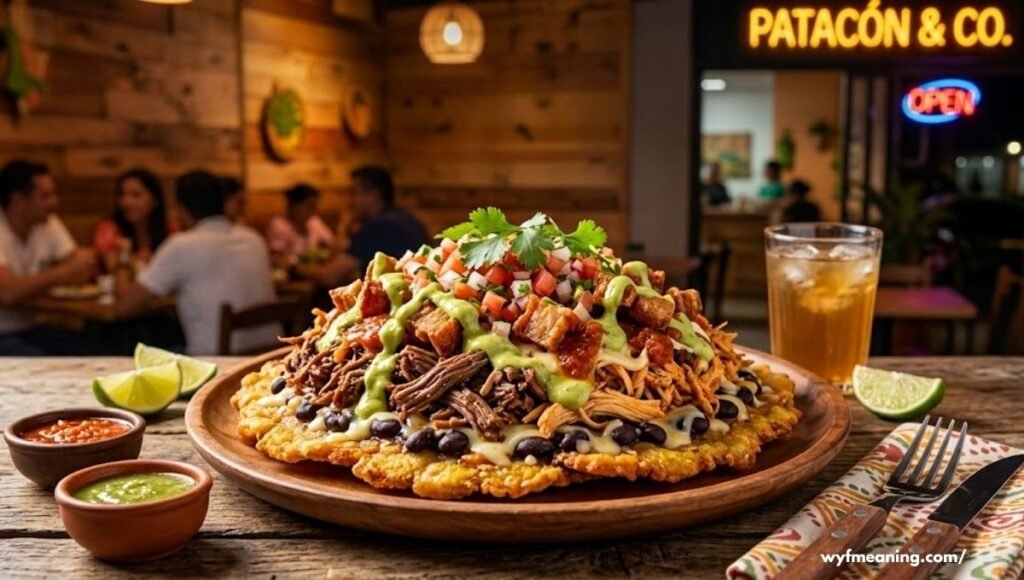
Picture this: a golden, crispy plantain the size of a dinner plate, piled high with shredded chicken, melted cheese, crunchy cabbage, and a drizzle of pink sauce that ties it all together. That first bite crackles, then gives way to something soft and savory underneath. If you’ve had it before, you already know why you’re here. If you haven’t, welcome to one of the most satisfying street foods you’ll ever eat.
Finding the best patacon con todo near me isn’t always as simple as typing those words into Google and hoping for the best. Some of the best spots are food trucks with no website. Others are tucked inside a strip mall with a five-star rating and zero marketing budget. This guide walks you through what the dish actually is, how to track down a genuinely great version of it in your city, and what separates a forgettable patacon from one you’ll think about for days.
Let’s dig in.
What Exactly Is Patacon Con Todo?
Before you go hunting for the best patacon con todo near you, it helps to know what you’re actually looking for. The base of the dish is a patacon, sometimes called a tostón in other Latin American countries, made from a green (unripe) plantain that gets sliced, fried once, smashed flat, and fried again.
That double-fry process is the secret to its structure. You end up with something crispy on the outside and sturdy enough to hold a mountain of toppings without falling apart.
“Con todo” simply means “with everything.” And in this case, everything usually includes:
- Shredded chicken or beef (sometimes both, sometimes pulled pork)
- Shredded cabbage or lettuce for crunch
- Diced tomato
- Melted or shredded cheese
- A sauce combo, typically a pink sauce (ketchup and mayo blended), garlic sauce, or a tangy green sauce
The dish traces its roots to Venezuela, where it became a staple of late-night food carts, though Colombia has its own beloved version with slightly different toppings and sauce traditions. Food historians point to the plantain’s long history in Caribbean and South American cuisine as a cheap, filling, versatile base one that shows up fried, boiled, mashed, and baked across dozens of regional dishes. If you want a deeper dive into plantain history and its role in Latin American cooking, Serious Eats has some solid explainers worth a read.
How Patacon Con Todo Differs From Similar Dishes
New to Latin street food? These dishes get confused with each other constantly. Here’s a quick breakdown.
| Dish | Base Ingredient | Typical Prep | Usually Eaten As |
|---|---|---|---|
| Patacon con todo | Green plantain, twice-fried and flattened | Loaded like a sandwich with meat, cheese, veggies, sauce | Full meal |
| Tostones | Green plantain, twice-fried | Small, round, often served as a side | Side dish or appetizer |
| Arepa | Cornmeal dough | Grilled or fried, then split and filled | Full meal |
| Cachapa | Fresh corn batter | Griddled like a pancake, folded with cheese | Full meal or snack |
Once you know what makes a patacon con todo different from its cousins, you’ll start noticing it on menus you might’ve scrolled right past before.
How to Actually Find the Best One Near You
Here’s the truth: most “best of” lists online are recycled garbage written by someone who’s never actually eaten the dish. If you want to find a spot that’s genuinely good, you need a slightly different approach than the usual Google search.
Search With Specificity
Typing “Latin restaurant near me” casts too wide a net. You’ll get Mexican spots, Cuban sandwich shops, and Peruvian chicken places mixed in with what you actually want. Instead, search the exact phrase “patacon con todo near me” or even just “patacon” plus your city name. Google Maps indexes menu items far more accurately than you’d expect, especially for restaurants that have filled out their Google Business profile with photos and item names.
Judge Photos Before Star Ratings
A 4.2-star spot with fifteen drool-worthy photos of an overflowing patacon usually beats a 4.7-star spot with zero pictures of the food. Why? Because photos don’t lie about portion size, toppings, or presentation the way a star rating can. Reviews get inflated for all sorts of reasons unrelated to food quality fast service, a friendly owner, cheap prices. Photos show you the thing itself.
Read the Recent Reviews, Not Just the Top Ones
Google and Yelp both default to sorting by “most relevant,” which tends to surface old reviews with lots of engagement. That’s not what you want. Sort by “newest” instead. A restaurant that was incredible in 2021 might have changed hands, cut corners, or lost its original cook since then. Recent reviews tell you what’s happening now.
Don’t Overlook Food Trucks and Carts
Some of the most authentic, flavorful patacon con todo comes from a folding table on a sidewalk, not a restaurant with a liquor license. Food trucks and pop-up carts often specialize in exactly one or two dishes, and they tend to make them extremely well because that’s their entire reputation. Check apps and check for handwritten signs, honestly. The best food doesn’t always come with a polished storefront.
Tap Into Local Community Knowledge
Facebook groups for Latin American communities in your city are goldmines. So are neighborhood subreddits. Post a simple question “Where’s the best patacon con todo near me?” and you’ll often get more honest, detailed answers than any review site could give you. People in these groups aren’t trying to boost SEO rankings. They just want to talk about food they love.
Check Instagram and TikTok Location Tags
Search the dish name plus your city directly in Instagram or TikTok’s search bar, then filter by location tags. You’ll see real customers posting their actual plates, often with captions praising or roasting the spot honestly.
This method has become one of the fastest ways to scout food in 2026, and it’s still underused by a lot of home cooks and food bloggers.
“I found my favorite patacon spot through a TikTok video with like 200 views. No fancy editing, just a guy filming his lunch. Turned out to be the best one in the city.” a satisfied customer, shared in a local food forum
What Separates a Great Patacon Con Todo From a Mediocre One
Not all patacones are created equal. Here’s what to actually pay attention to once you’ve found a candidate spot.
The plantain matters most. It needs to be crispy on the outside while staying sturdy enough to hold everything piled on top. If it’s soggy or falls apart in your hands within the first few bites, that’s a sign the kitchen rushed the frying process or used plantains that weren’t quite green enough.
Freshness of toppings makes or breaks the experience. Wilted cabbage, dry shredded chicken, or mushy tomato are red flags. A great kitchen preps these ingredients fresh throughout the day rather than batching everything at 10 a.m. and letting it sit.
Sauce balance is an art. Too much sauce turns the whole thing into a soggy mess you eat with a fork. Too little leaves it dry and underwhelming. The best versions layer sauce throughout, not just on top, so every bite gets a bit of that tangy, creamy flavor.
Portion size should feel generous. This is meant to be a full meal, not a snack. If you’re still hungry after finishing one, that’s a sign the kitchen skimped somewhere.
Five Signs You Found a Great Spot
- The plantain holds its shape when you pick it up
- The toppings look freshly prepped, not sitting under a heat lamp for hours
- The sauce is drizzled throughout, not just dumped on top
- The portion could realistically feed one hungry adult on its own
- Reviews mention consistency across multiple visits, not just a single lucky order
Regional Variations Worth Knowing
Depending on where the cooks behind your local spot are from, you’ll notice real differences in style. Venezuelan-style patacon con todo tends to lean heavily on pulled pork or shredded beef, paired with a garlicky sauce that has a real kick. Colombian versions sometimes swap in chorizo or a mix of meats, and the cabbage slaw tends to be a bit more finely shredded.
Vegetarian versions have also become more common over the last few years, usually swapping meat for black beans, sautéed mushrooms, or grilled vegetables while keeping the plantain, cheese, and sauce combo intact.
If you’re vegetarian and assumed this dish was off-limits, it’s worth calling ahead or checking the menu closely. A lot of spots will happily build one without meat even if it’s not listed.
Sample Categories to Look For in Your City
When you’re comparing options nearby, it helps to think in categories rather than trying to find one single “best” spot for everything.
- Best for a quick bite: look for spots with fast turnaround and grab-and-go packaging
- Best sit-down experience: full-service restaurants where you can enjoy it with a drink and take your time
- Best food truck or cart: often the most authentic flavor at the lowest price
- Best late-night option: because sometimes the craving hits at midnight, and you need a spot that’s still open
Building your own mental map of these categories makes it much easier to pick the right spot depending on your mood, rather than defaulting to whatever pops up first in search results.
What to Order Alongside It
A patacon con todo is filling enough to be the whole meal, but a few pairings take the experience up a notch. A cold Colombiana soda (a bright red, cream-soda-like drink) is a classic match. Tamarind juice offers a tangy contrast to the richness of the sauce and cheese. If the spot serves yuca fries, order a small side the different texture is a nice contrast to the plantain’s crunch.
Some spots also offer a smaller “mini patacon” as an appetizer if you’re dining with a group and want to sample it before committing to the full-size version. Worth asking about if you see one on the menu.
Frequently Asked Questions
What does “con todo” mean?
It translates to “with everything,” referring to the full loadout of meat, cheese, vegetables, and sauce piled on top of the fried plantain base.
Is patacon con todo the same as a patacon sandwich?
Close, but not quite. A patacon sandwich usually uses two smaller patacones as “bread” around a filling, sandwich-style. Patacon con todo is typically one large flattened plantain used as a base, loaded open-face with toppings.
How many calories are in a patacon con todo?
This varies a lot depending on toppings and portion size, but a full-size version with meat, cheese, and sauce typically falls somewhere between 600 and 900 calories. If you’re tracking intake closely, ask your local spot about their specific ingredients and portions, since preparation methods vary widely from kitchen to kitchen.
Can you get it vegetarian or vegan?
Many spots offer a vegetarian version with beans, mushrooms, or grilled vegetables in place of meat. Fully vegan versions require skipping the cheese and swapping mayo-based sauces for a plant-based alternative, so it’s worth asking directly rather than assuming.
What’s the difference between a patacon and a tostone?
They’re made using the same technique, twice-fried green plantain, but tostones are usually smaller, round, and served as a side dish, while patacones (especially “con todo”) are larger and meant to be a full meal on their own.
Wrapping It Up
Finding the best patacon con todo near you takes a little more effort than a lazy Google search, but the payoff is worth it. Skip the generic “Latin food near me” search, dig into recent reviews and real photos, and don’t sleep on food trucks just because they don’t have a fancy website. The best plate might be sitting on a folding table two blocks from your apartment, and you’d never know it without asking around.
Next time that craving hits, you’ll know exactly how to track down a spot that actually delivers. Give one a try this week, and once you find your favorite, share it. Somebody in your neighborhood is probably searching for the exact same thing you were looking for when you found this guide.