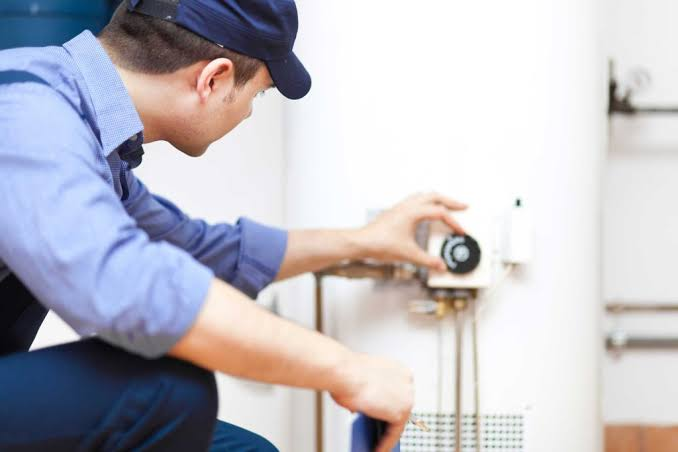
Maintaining Reliable Hot Water Through Professional Water Heater Service
A dependable hot water system is an essential part of a comfortable and functional property because hot water is needed for bathing, cleaning, laundry, washing dishes, preparing certain household tasks, and supporting many everyday activities. When a water heater begins to operate incorrectly, the inconvenience can affect several areas of daily life, especially when the problem occurs unexpectedly. A system may begin producing lukewarm water, take longer than usual to recover, make unusual sounds, develop visible moisture around connections, or stop producing hot water altogether. These symptoms can result from several different conditions, including worn heating components, sediment accumulation, faulty controls, deteriorated valves, plumbing connection problems, corrosion, pressure-related issues, or equipment that has simply reached an advanced stage of wear. Because different problems can produce similar symptoms, accurate diagnosis is important before deciding which components should be repaired or replaced. Professional service can help property owners identify the source of the problem, restore dependable performance, and determine whether the existing equipment remains suitable for the property’s current requirements. Regular attention is also valuable because a water heater is connected to the broader plumbing system, meaning its performance can be influenced by the condition of pipes, valves, fixtures, water quality, and household demand.
Understanding Water Heater Performance
Water heaters are designed to provide heated water when fixtures and appliances require it, but the way they accomplish this depends on the type and design of the equipment. Traditional tank-style systems store a supply of heated water, while tankless systems heat water as it moves through the unit. Different systems contain different heating components, controls, valves, connections, and maintenance requirements, so the correct approach to service depends on the specific equipment installed at the property. Understanding the basic operation of the system can help property owners recognize when performance has changed and communicate useful information to a technician. For example, a gradual reduction in available hot water may point toward a different problem than a sudden complete loss of heating, while water appearing around the equipment requires a different type of investigation than an unusual noise. Because the water heater works as part of a larger plumbing network, a professional should consider both the equipment itself and the connected plumbing when diagnosing performance concerns. This broader evaluation can help prevent situations where a component is replaced even though the actual problem originates elsewhere in the system.
Recognizing Warning Signs Early
One of the most effective ways to protect a water heater is to pay attention to changes in normal operation rather than waiting for a complete failure. Property owners may notice that hot water does not remain available as long as it once did, temperatures fluctuate unexpectedly, recovery takes longer, or certain fixtures do not receive the same level of hot water. These changes may develop gradually, making them easy to overlook when the system continues to provide some hot water. However, gradual changes can sometimes indicate that a heating component, control, valve, or internal part is beginning to deteriorate. Unusual noises can also provide an important warning, particularly when a tank-style heater begins making popping, rumbling, banging, or other sounds that were not previously present. Sediment and mineral deposits can accumulate inside a tank and interfere with normal heating, which may affect efficiency and place additional stress on the equipment. Visible corrosion, moisture around connections, unusual odors, or changes in water appearance should also receive prompt attention because they may indicate conditions that require professional evaluation before they become more serious.
Common Causes of Water Heater Problems
Water heater problems can develop from several different sources, and identifying the actual cause is important because replacing one component may not solve the underlying issue. Sediment accumulation is a common concern in tank-style equipment because minerals and other materials can settle inside the tank over time. This buildup can interfere with heat transfer and may contribute to unusual operating sounds or reduced efficiency. Heating elements in electric systems can eventually wear out, while gas-powered equipment can experience problems involving burners and related components. Thermostats and other controls can also malfunction, resulting in temperatures that are too low, too high, or inconsistent. Plumbing connections, shutoff valves, pressure-related components, and other external parts can develop leaks or deterioration as they age. In some situations, the water heater may be operating normally while a connected plumbing component is responsible for the symptoms. A professional diagnosis helps separate these possibilities and allows the repair process to focus on the actual source of the problem rather than relying on assumptions.
Dealing With Inconsistent Hot Water
Inconsistent water temperature is one of the most common concerns property owners experience when a water heater begins developing problems. A system may provide hot water normally at certain times but produce lukewarm water during other periods, or the temperature may fluctuate while a fixture is being used. Several factors can contribute to these symptoms, including malfunctioning heating components, thermostat problems, sediment buildup, plumbing restrictions, or insufficient equipment capacity. Household demand should also be considered because changes in occupancy or usage patterns can place greater demands on a system than it was originally designed to handle. A property that has added bathrooms, appliances, or other hot water demands may eventually experience performance limitations even if the equipment itself is still functioning correctly. Professional evaluation can help determine whether the issue is related to a failing component, an installation condition, a plumbing restriction, or a mismatch between current demand and available capacity. This distinction is important because repairing the heater will not necessarily solve a problem caused by increased demand or an unrelated plumbing condition.
Understanding Leaks and Moisture
Water around a water heater should never be dismissed as a minor inconvenience because the source of the moisture can vary significantly. A small amount of water may originate from a connection, valve, drain fitting, or other component, while a more serious leak can involve the tank or another major part of the equipment. Water can also travel along nearby surfaces, which means the point where moisture becomes visible may not be the exact location where the leak begins. Allowing water to remain around the equipment can damage flooring, walls, cabinets, stored belongings, and other surrounding materials, depending on the installation area and severity of the problem. Property owners should avoid assuming that simply drying the visible water has resolved the issue because the underlying source may continue to release moisture. A professional can inspect the heater and connected plumbing to identify the source and determine whether a component can be repaired or whether more extensive work is necessary. Prompt attention can help limit water exposure and reduce the possibility of secondary property damage.
The Impact of Sediment and Water Quality
Water quality can influence the performance and service life of a water heater, especially when the system is exposed to mineral-rich water over an extended period. Minerals can accumulate inside tank-style equipment and create a layer of sediment that affects heating efficiency and normal operation. As the heating process continues, deposits can contribute to popping or rumbling sounds and may cause the system to work harder to achieve the desired temperature. In addition to affecting efficiency, significant buildup can place additional stress on internal components and contribute to premature wear. The severity of these effects depends on the water conditions and the design of the equipment, which is why maintenance requirements can vary between properties. Professional service can help determine whether sediment or mineral accumulation is present and whether maintenance is appropriate for the specific system. Addressing water quality concerns as part of a broader plumbing maintenance strategy can also benefit other components, including faucets, valves, fixtures, and connected appliances that may be affected by similar deposits.
Inspecting Heating Components and Controls
Heating components are central to water heater operation, and their condition should be evaluated when the system begins producing insufficient or inconsistent hot water. Electric systems commonly rely on heating elements and thermostatic controls, while gas systems use burners and associated components to produce heat. These parts can experience normal wear and may eventually require adjustment, repair, or replacement. A malfunctioning thermostat can affect water temperature even when the heating element or burner remains functional, while a failed heating component can prevent the system from producing sufficient heat. Because these components interact with other parts of the equipment, replacing one part without examining the rest of the system may not provide a lasting solution. Professional diagnosis can help determine whether the issue is isolated or whether several components are approaching the end of their useful service life. If the equipment is relatively new and otherwise in good condition, repairing the affected component may be practical, but older systems with multiple failing components may require a broader discussion about replacement.
Checking Valves and Plumbing Connections
A water heater depends on several valves and plumbing connections to receive cold water, deliver heated water, control service access, and maintain appropriate operation. These components can develop corrosion, wear, mineral buildup, or leaks over time, and problems in these areas can sometimes be mistaken for failures inside the heater itself. During professional service, accessible connections can be inspected for signs of moisture, deterioration, or other abnormalities. Shutoff valves can also be evaluated to determine whether they operate correctly and whether they can reliably isolate the equipment when service is required. Addressing a deteriorated valve or connection while servicing the water heater may help prevent a secondary plumbing problem from developing shortly afterward. This is particularly valuable in older properties where several connected components may have been installed at approximately the same time and may therefore be experiencing similar levels of wear. Considering the entire connection network can provide a more complete solution than focusing exclusively on the main equipment.
Professional Water Heater Repair
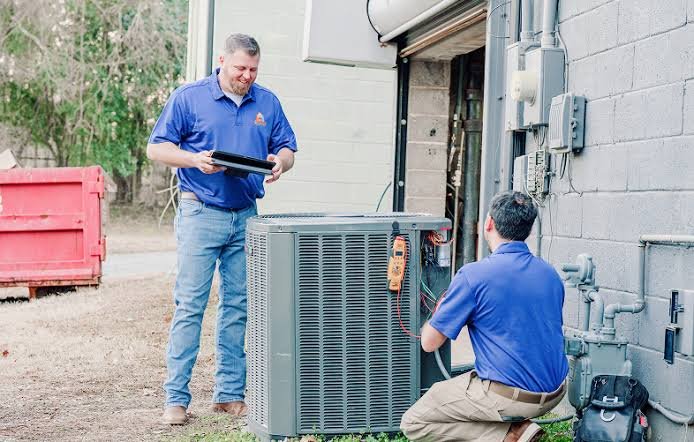
Professional water heater repair should begin with a careful diagnosis of the system rather than immediately replacing components based only on visible symptoms. A qualified technician can evaluate the equipment, inspect accessible plumbing connections, identify unusual operating conditions, and determine whether the problem is associated with heating components, controls, valves, sediment, plumbing connections, or another factor. This approach helps prevent unnecessary replacement and allows the repair to focus on the actual cause of the problem. Professional service is particularly valuable when the system has recurring issues, when the source of a leak is unclear, or when several symptoms appear at the same time. During the repair process, a technician may also identify related conditions that deserve attention, such as aging valves, corroded connections, pressure concerns, or deteriorated supply lines. Addressing appropriate related problems during the same service visit can improve overall reliability and reduce the possibility of repeated disruptions after the original repair has been completed.
Deciding Between Repair and Replacement
Not every water heater problem requires complete replacement, and determining whether repair or replacement is appropriate requires consideration of the equipment’s age, condition, service history, efficiency, and future requirements. A relatively modern system with one failed component may be a good candidate for repair, particularly if the tank or main structure remains in good condition and the problem is limited to a replaceable part. On the other hand, an older unit that has experienced repeated failures, significant corrosion, persistent leakage, or multiple component problems may become increasingly expensive and inconvenient to maintain. Property owners should consider the history of previous service rather than looking only at the immediate repair cost. If several major components have already been replaced and new problems continue appearing, a professional can explain whether continued repairs remain practical or whether replacement would provide a more dependable long-term solution. This decision should also account for current hot water demand because installing equipment that does not match the property’s needs can create performance concerns even when the new unit is functioning correctly.
Preventive Maintenance for Long-Term Performance
Regular maintenance can help property owners identify developing water heater problems before they become major failures. Maintenance requirements depend on the type of equipment, installation conditions, water quality, and manufacturer recommendations, but professional inspections can generally help evaluate the condition of accessible components and identify signs of deterioration. Property owners should also pay attention to changes between scheduled service visits. Unusual sounds, visible moisture, inconsistent temperatures, longer recovery periods, corrosion, or unexpected changes in hot water availability should be investigated rather than ignored. Keeping records of service dates, repairs, replacement components, and inspections can provide valuable information when future problems develop. These records allow technicians to understand how the system has performed over time and may help identify recurring patterns. Preventive maintenance is not simply about avoiding immediate breakdowns; it also provides an opportunity to monitor the equipment’s overall condition and plan future work before an unexpected failure creates unnecessary disruption.
Planning for Future Hot Water Needs
Long-term planning becomes increasingly valuable as a water heater ages or household requirements change. A system that was properly sized when originally installed may not necessarily provide the same level of service after a property undergoes renovations or experiences increased usage. Adding bathrooms, changing occupancy, installing new appliances, or increasing laundry demand can all affect the amount of hot water required. Property owners who recognize these changes early can discuss future requirements with a professional and determine whether the existing system remains appropriate. Planning ahead also provides more time to consider installation requirements, available equipment options, plumbing modifications, and other factors that may influence a future replacement. Instead of waiting for a complete failure to force an immediate decision, homeowners can evaluate the condition of the existing system and establish a realistic plan for eventual replacement. This approach can make future upgrades more manageable and reduce the stress associated with losing hot water unexpectedly.
Maintaining the Connected Plumbing System
The performance of a water heater is closely connected to the condition of the plumbing network surrounding it. Supply pipes, valves, faucets, showers, appliances, pressure conditions, and drainage components all contribute to the overall performance of the property’s plumbing system. A problem with one of these components can sometimes affect hot water usage or create symptoms that appear to originate from the heater. For example, a leaking hot water connection can waste heated water, while a faulty fixture can create unnecessary demand on the system. Maintaining connected plumbing components therefore supports the water heater as well as the broader property. Property owners should monitor accessible pipes and connections for moisture, corrosion, or unusual changes and should address plumbing problems promptly. Professional inspections can provide an opportunity to evaluate the water heater and surrounding infrastructure together, helping identify conditions that may contribute to recurring service needs.
Conclusion
Reliable hot water depends on more than simply having a functioning water heater installed. Equipment condition, heating components, valves, plumbing connections, water quality, household demand, installation quality, and regular maintenance all contribute to dependable performance. When property owners notice inconsistent temperatures, unusual sounds, visible moisture, corrosion, reduced hot water availability, or other changes in normal operation, timely professional attention can help identify the underlying cause before the problem becomes more disruptive. Early diagnosis can sometimes allow a relatively simple component repair to restore performance, while a broader evaluation can determine whether an aging system would be better served by replacement.
Professional water heater repair can restore hot water performance while also providing an opportunity to evaluate the surrounding plumbing system and identify related concerns. Property owners can support long-term reliability by scheduling appropriate maintenance, monitoring changes in performance, maintaining service records, and planning for future equipment needs before the existing system reaches complete failure. When the water heater, plumbing connections, water quality, and household demand are considered together, property owners can make better maintenance decisions and reduce unnecessary interruptions. A proactive approach not only supports dependable hot water but can also help protect surrounding property, reduce unexpected repairs, and maintain a more efficient and reliable plumbing system over the long term.
For More Must Visit: Wyf Meaning