Breaking Ground the Right Way: Why Site Preparation Matters
Every great structure begins below the surface. Before concrete gets poured or walls go up, the ground beneath has to be shaped, leveled, and made ready to carry the weight of what’s coming next. That groundwork determines whether a project moves forward smoothly or runs into costly setbacks down the line.
At Cypress Edge Construction, we’ve seen firsthand how proper site preparation sets the tone for an entire build. A property that hasn’t been correctly assessed and shaped can lead to drainage issues, foundation instability, and delays that ripple through every phase of construction. On the other hand, a well-prepared site gives contractors, builders, and property owners the confidence to move forward without second-guessing what’s happening underground.
This post walks through why getting the groundwork right matters so much, what the process typically involves, and how choosing the right partner can make all the difference for your next project.
Why the Foundation of Every Project Starts with the Ground Beneath It
Think about the last time you saw a building with cracked walls or uneven flooring. More often than not, the root cause traces back to how the land was handled before construction ever started. Soil composition, grading, and drainage planning all play a role in how stable a structure will be for decades to come.
Skipping or rushing this stage might save a few days upfront, but it tends to cost far more in repairs and rework later. Property owners who invest in thorough site preparation are protecting their investment from the ground up, quite literally.
What Goes Into Preparing a Site for Construction
Getting a property ready for building involves more steps than most people realize. It’s not simply a matter of digging a hole and pouring a foundation. Several stages typically need to happen in sequence:
Site Assessment and Planning
Before any machinery moves onto a property, a thorough assessment of the land needs to happen. This includes evaluating soil type, checking for underground utilities, and understanding how water naturally moves across the site. Skipping this step is one of the most common reasons projects run into unexpected complications.
Grading and Leveling
Once the assessment is complete, the land often needs to be graded to create a level, stable surface. Proper grading also helps direct water away from the building site, reducing the risk of flooding or erosion once construction is finished.
Digging and Trenching
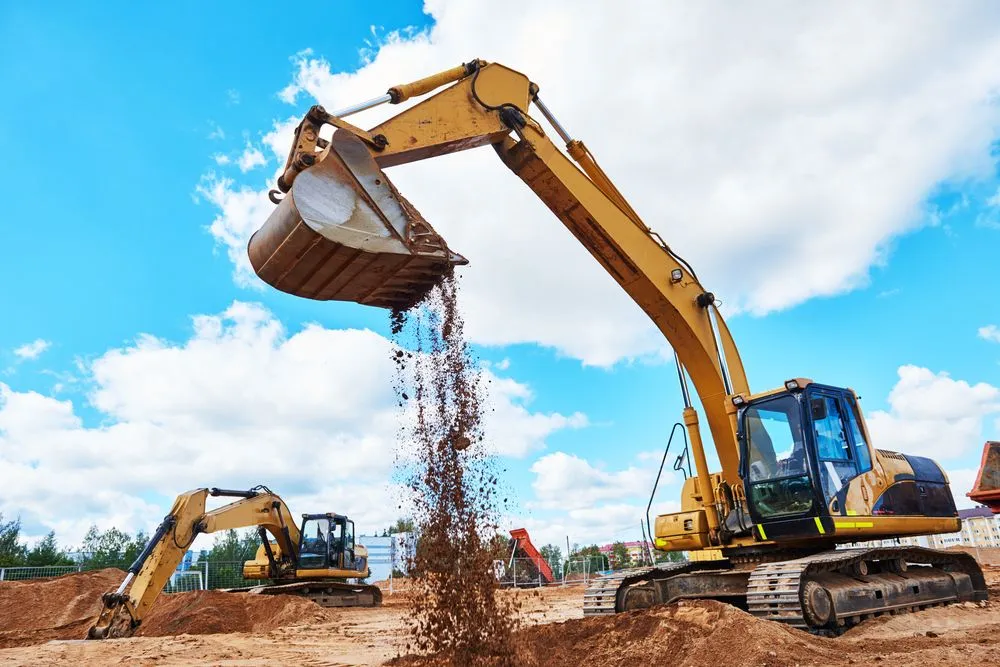
This is where the heavy lifting happens. Trenches for utilities, foundations for structures, and pathways for drainage systems all require precise digging that accounts for depth, width, and soil stability. Precision here prevents costly mistakes later in the build.
Hauling and Material Removal
Large volumes of soil, rock, and debris often need to be removed from a site before construction can proceed. Efficient hauling keeps a project on schedule and clears the way for the next phase of work.
How Professional Crews Make a Measurable Difference
Hiring a team with real, hands-on experience changes the outcome of a project in ways that are easy to underestimate. Seasoned crews know how to read a site, anticipate challenges with soil or drainage, and adjust their approach before small issues become expensive problems.
Modern equipment also plays a major role. Machinery with GPS-guided grading capabilities, for example, allows crews to achieve precise elevations without the guesswork that used to slow projects down. The result is work that’s completed faster, with fewer errors, and with less disruption to the surrounding property.
Communication matters just as much as equipment. A crew that keeps property owners informed throughout the process, explaining what’s happening and why, builds trust and helps avoid misunderstandings about timelines or scope.
Choosing the Right Partner for Your Next Project
Not every company brings the same level of care to site work. Property owners should look for a few key qualities when selecting a partner for ground preparation:
- Experience with similar projects. A company that has handled comparable site conditions will know what to expect and how to plan accordingly.
- Proper licensing and insurance. This protects property owners from liability and ensures the work meets local regulations.
- Transparent pricing and timelines. Clear communication upfront prevents surprises once work is underway.
- A track record of quality results. Past projects and client feedback offer a good indication of what to expect.
Choosing a contractor with deep expertise in excavation sets the tone for a project that stays on schedule and within budget. At Cypress Edge Construction, our crews bring years of hands-on experience to every site, combining careful planning with the right equipment to get the groundwork done correctly the first time.
Setting Your Project Up for Long-Term Success
The work that happens before construction begins shapes everything that follows. A property that’s properly assessed, graded, and prepared gives every subsequent phase of a project a stronger foundation to build on, both literally and figuratively.
If you’re planning a project and want a team that treats groundwork with the attention it deserves, reach out to Cypress Edge Construction. Our crews are ready to help you start your next build on solid ground.
For More Must Visit: Wyf Meaning