Why Winter’s Worst Plumbing Threat Starts With Frozen Pipes
Winter brings cozy nights by the fireplace, hot cocoa, and unfortunately, one of the most dreaded plumbing emergencies a homeowner can face: frozen pipes. When temperatures plummet, water trapped inside your pipes can freeze, expand, and create pressure that your plumbing system simply isn’t built to handle. The result? Cracked pipes, burst fittings, and water damage that can cost thousands of dollars to repair.
If you’ve ever turned on a faucet in the dead of winter only to be met with silence instead of a steady stream, you already know how stressful this situation can be. The good news is that frozen pipes are largely preventable, and when they do happen, quick action can make all the difference between a minor inconvenience and a major disaster.
This post breaks down why pipes freeze, how to spot the warning signs early, and what steps you can take to protect your home before the next cold snap hits.
What Causes Pipes to Freeze in the First Place?
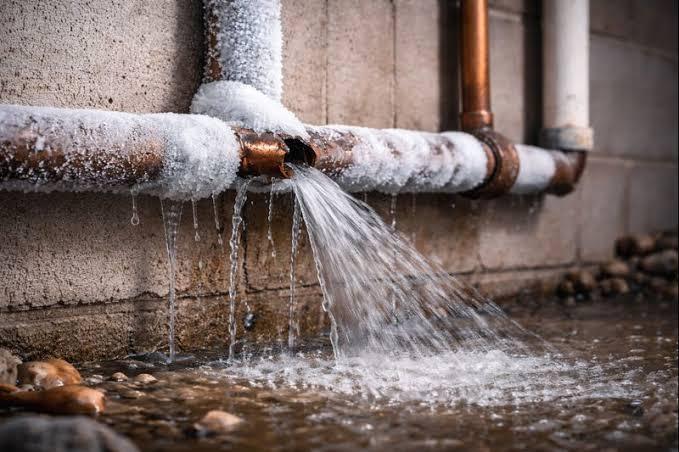
Water expands by about 9% as it turns to ice. When this happens inside a confined pipe, the pressure builds rapidly, sometimes to the point of rupture. Pipes located in unheated or poorly insulated areas of your home are at the greatest risk. Think crawl spaces, attics, garages, and exterior walls.
A few common culprits behind frozen pipes include:
- Inadequate insulation around exposed pipes
- Sudden temperature drops, especially below 20°F
- Gaps or cracks in your home’s exterior that let cold air reach plumbing lines
- Thermostats set too low, particularly overnight or while you’re away
Older homes are especially vulnerable, since plumbing systems installed decades ago weren’t always designed with modern insulation standards in mind.
How Do You Know If Your Pipes Are Frozen?
Catching the problem early can save you from a much bigger headache down the road. Watch for these telltale signs:
- Little to no water flow from a faucet
- Frost visible on exposed piping
- Strange odors coming from drains (a sign of a blockage caused by ice)
- Unusual clanking or banging sounds when you run water
If you notice any of these warning signs, it’s time to act quickly. Leaving a frozen pipe unaddressed increases the likelihood that it will crack or burst, leading to flooding and extensive water damage.
Simple Steps to Prevent Frozen Pipes This Winter
Prevention is always easier (and cheaper) than dealing with the aftermath of a burst pipe. Here are a few practical steps you can take right now:
Keep your home consistently heated. Maintaining an indoor temperature of at least 55°F, even when you’re away, helps protect vulnerable pipes.
Insulate exposed pipes. Foam pipe sleeves or heat tape are inexpensive solutions that can make a significant difference, particularly in basements, attics, and crawl spaces.
Seal up drafts. Check for gaps around windows, doors, and foundation vents where cold air might sneak in and reach your plumbing.
Let faucets drip during extreme cold. A small trickle of water keeps pressure from building up inside the pipe, reducing the risk of freezing.
Disconnect outdoor hoses. Leaving a hose attached to an outdoor spigot can trap water in the line, increasing the chances of a freeze.
These small adjustments take minimal time but can save you from a costly repair bill and the headache of cleaning up water damage.
When to Call in the Professionals
Even with the best preventive measures, sometimes frozen pipes happen anyway. Frozen pipes left untreated can lead to sudden bursts, extensive water damage, and costly repairs that disrupt your entire household. That’s why having a trusted plumbing team on call matters so much during the colder months.
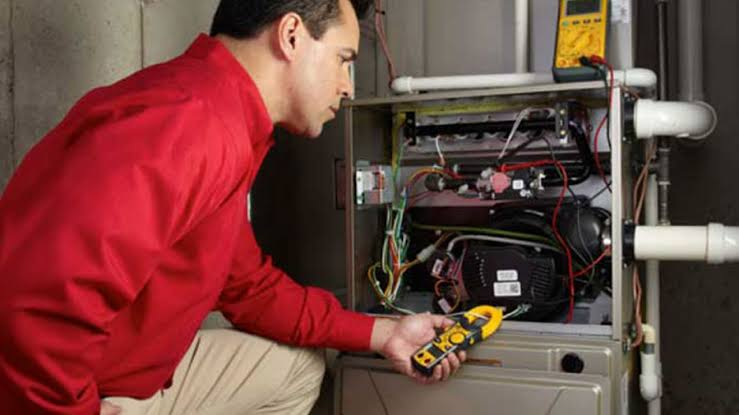
At Guardian Home Experts – Heating, Air, Plumbing, Electrical, our licensed plumbers are trained to identify and thaw frozen pipes safely, without causing further damage to your home. We understand how stressful a plumbing emergency can feel, especially in the middle of winter, which is why we prioritize fast, reliable service when you need it most.
Beyond emergency repairs, our team can also help you winterize your home before the cold weather arrives. From inspecting exposed pipes to recommending insulation upgrades, we take a proactive approach that helps you avoid emergencies altogether.
Protect Your Home Before the Next Freeze
Winter plumbing problems don’t have to catch you off guard. By understanding what causes pipes to freeze and taking a few preventive steps, you can keep your home’s plumbing system running smoothly all season long. And if you ever find yourself facing a frozen or burst pipe, know that help is just a phone call away.
Guardian Home Experts – Heating, Air, Plumbing, Electrical is ready to support you with expert plumbing solutions, from preventive maintenance to emergency repairs. Reach out to our team today to schedule a winter plumbing inspection and enjoy peace of mind all season long.
For More Must Visit: Wyf Meaning