Why Healthy Trees Start With Smart Pest Control
Trees are tougher than they look, but even the strongest oak can fall victim to a pest problem it never saw coming. One season, your maple is thriving. The next, its leaves are curling, its bark is peeling, and its branches are dying from the inside out. By the time most homeowners notice something’s wrong, the damage has already taken hold.
That’s the tricky thing about tree pests. They rarely announce themselves. Insects like emerald ash borers, bark beetles, and aphids work quietly, feeding on leaves, boring into trunks, or draining sap until a tree’s health collapses. Left untreated, a single infestation can spread to neighboring trees, turning a small problem into a landscape-wide crisis.
At Arborwright Tree Care, we’ve spent years helping homeowners catch these problems early and treat them effectively. This post breaks down why pest issues develop, how to spot the warning signs, and what you can do to protect your trees before it’s too late.
What Causes Tree Pest Infestations?
Trees weakened by drought, poor soil conditions, or improper pruning are far more susceptible to insect damage. Pests are opportunists. They target trees that are already under stress because those trees have fewer defenses to fight back.
Weather plays a role too. Warmer winters mean more insects survive the cold season, leading to larger pest populations come spring. Urban environments add another layer of risk, since trees planted near pavement or buildings often experience more heat stress and compacted soil, both of which make them more vulnerable.
Some of the most common culprits we see across residential properties include:
- Emerald ash borers: These metallic green beetles tunnel beneath bark, cutting off a tree’s ability to transport water and nutrients.
- Bark beetles: Small but destructive, they bore into trunks and branches, often introducing fungal diseases along the way.
- Aphids: These tiny insects cluster on leaves and stems, feeding on sap and secreting a sticky residue called honeydew that attracts mold.
- Spider mites: Barely visible to the naked eye, they cause stippled, discolored leaves and can quickly multiply in hot, dry conditions.
How Do You Know If Your Tree Has a Pest Problem?
Catching an infestation early can mean the difference between a quick treatment and losing a tree altogether. Keep an eye out for these telltale signs:
Discolored or wilting leaves. Yellowing, browning, or premature leaf drop often signals that a pest is interfering with a tree’s ability to absorb nutrients.
Visible holes or tunnels in the bark. Small, D-shaped exit holes are a classic sign of borer activity, while sawdust-like material near the trunk base suggests beetles are at work.
Sticky residue or sooty mold. This usually points to aphids or scale insects, which secrete honeydew that attracts mold growth on leaves and branches.
Thinning canopy. A canopy that looks sparse or uneven compared to previous seasons is often one of the first visible signs of internal damage.
Unusual bark texture. Cracking, peeling, or bark that looks bruised can indicate pests tunneling beneath the surface.
If you notice any combination of these symptoms, it’s worth having a certified arborist inspect the tree before the problem spreads further.
Why DIY Pest Control Often Falls Short
It’s tempting to grab a store-bought spray and handle the problem yourself, but most tree pest issues require more precision than a generic treatment can offer. Different pests respond to different methods, and using the wrong one can waste time while the infestation continues to spread.
Systemic insecticides, for example, need to be applied at specific times of year to be absorbed effectively through a tree’s root system. Apply too early or too late, and the treatment may do little more than coat the leaves. Similarly, treating a fungal issue caused by beetle activity requires an entirely different approach than treating an aphid infestation.
There’s also the risk of over-treatment. Excessive pesticide use can harm beneficial insects, pollinators, and even the tree itself if applied incorrectly. Professional treatment plans are calibrated to target the specific pest without disrupting the surrounding ecosystem.
What Does Professional Treatment Actually Involve?
A proper pest management plan starts with diagnosis, not guesswork. Arborists examine the tree’s bark, leaves, canopy, and surrounding soil conditions to identify exactly which pest is responsible and how far the infestation has progressed.
From there, treatment is tailored to the specific species and severity of the problem. This might include:
- Trunk injections, which deliver insecticide or fungicide directly into a tree’s vascular system for targeted, long-lasting protection.
- Soil drenching, where treatment is applied to the root zone and absorbed as the tree draws up water and nutrients.
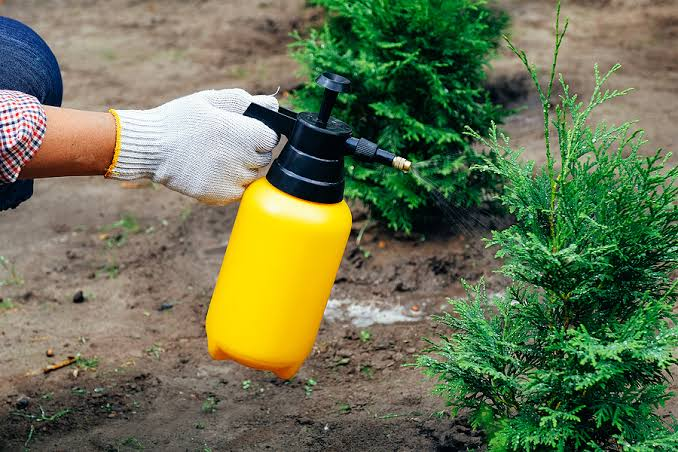
- Foliar sprays, used for surface-level pests like aphids or mites that feed on leaves and stems.
- Pruning and sanitation, removing infected branches to stop the spread and improve the tree’s overall airflow and health.
Timing matters just as much as method. Many pests have specific life cycles, and treating at the right stage, before eggs hatch or before adults become active, dramatically improves the odds of success.
Protecting Your Trees for the Long Term
Comprehensive tree pest treatment designed to catch infestations early and stop them before they spread is one of the most valuable investments a homeowner can make in their property. At Arborwright Tree Care, our certified arborists use targeted, science-backed methods to diagnose the exact pest affecting your trees and apply treatment that addresses the problem at its source, not just the symptoms on the surface.
Beyond treatment, we also help homeowners build long-term prevention plans. Regular inspections, proper watering schedules, and seasonal pruning all reduce the likelihood of future infestations, keeping your landscape healthier for years to come.
Trees are a long-term investment in your property’s value and beauty. Protecting them from pests isn’t just about saving one tree. It’s about preserving the health of your entire landscape.
Give Your Trees the Protection They Deserve
Pest infestations rarely resolve on their own, and waiting too long to act can turn a treatable issue into irreversible damage. If you’ve noticed warning signs on your property, like discolored leaves, unusual bark texture, or a thinning canopy, now is the time to act.
Arborwright Tree Care is here to help you protect what you’ve spent years growing. Reach out today to schedule an inspection and give your trees the expert care they need to thrive for seasons to come.
For More Must Visit: Wyf Meaning