Why a Noisy Water Heater Could Signal Bigger Problems Ahead
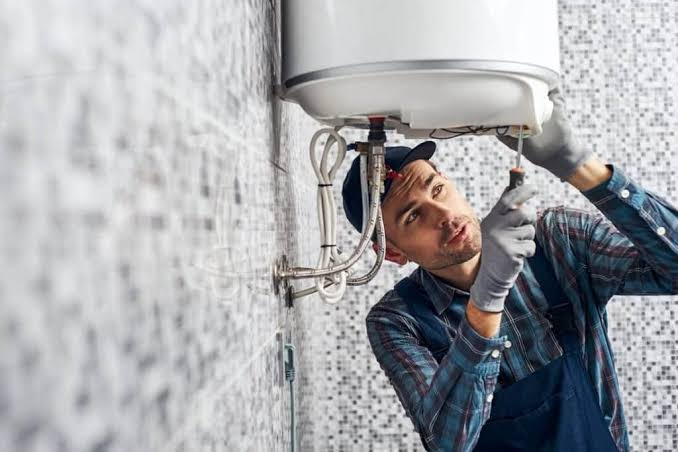
Your water heater hums along quietly for years, and then one day it starts clunking, popping, or rumbling like it’s brewing something sinister in the basement. If you’ve noticed strange sounds coming from your unit, you’re not imagining things, and you definitely shouldn’t ignore it.
Water heaters are the unsung heroes of daily comfort. They warm your morning shower, clean your dishes, and run your washing machine without a second thought from you. But when sediment builds up, components wear down, or pressure issues develop, your water heater will often tell you before it fails completely. The trick is knowing how to listen.
At A & R Mechanical, we’ve serviced thousands of water heaters across all makes and models, and noisy operation is one of the most common early warning signs we encounter. This guide breaks down what those sounds mean, why they happen, and what you can do about them before a minor annoyance turns into a major inconvenience.
What Causes a Water Heater to Make Popping or Rumbling Sounds?
The most frequent culprit behind a noisy water heater is sediment buildup. Over time, minerals from your water supply settle at the bottom of the tank, forming a hardened layer. When the burner or heating element fires up, water trapped underneath that sediment layer boils and escapes through small gaps, creating the popping, crackling, or rumbling sounds many homeowners describe.
This issue tends to worsen in areas with hard water, where mineral content is naturally higher. Left untreated, sediment buildup doesn’t just cause noise. It reduces your unit’s efficiency, forces it to work harder to heat water, and can shorten its overall lifespan significantly.
Could It Be a Heating Element or Burner Issue Instead?
While sediment is the usual suspect, it’s not the only one. In electric water heaters, a failing heating element can produce a high-pitched whining or buzzing sound. In gas units, a dirty or malfunctioning burner may create a ticking or popping noise as it ignites unevenly.
Loose components are another possibility. Over years of heating and cooling cycles, screws, brackets, and internal parts can shift slightly, leading to rattling or vibrating sounds, especially during the heating cycle.
Is a Noisy Water Heater Dangerous?
In most cases, the noise itself isn’t dangerous, but it’s a signal that something inside your unit needs attention. Ignoring it can lead to reduced efficiency, higher energy bills, and in some cases, premature tank failure. A tank that fails unexpectedly can cause water damage to your home, which is a far costlier problem than addressing the noise early.
If you ever hear a loud banging sound combined with signs of pressure buildup, such as a leaking pressure relief valve, that warrants immediate attention rather than a wait-and-see approach.
How Can You Fix a Noisy Water Heater Yourself?
Some homeowners attempt a DIY sediment flush, which involves draining the tank and running water through it until it runs clear. While this can help with mild sediment buildup, it’s not always enough to fully resolve the issue, especially if sediment has hardened over an extended period.
Flushing your tank also carries some risk if you’re unfamiliar with your unit’s specific shutoff valves, pressure release mechanisms, and reconnection steps. A mistake here can lead to leaks, scalding, or damage to your unit’s components.
When Should You Call a Professional for Water Heater Repair?
Water heater repair that restores quiet, efficient performance to your home is exactly what our licensed technicians at A & R Mechanical specialize in. If you’ve tried a basic flush and the noise persists, or if you’re not comfortable performing maintenance on your unit yourself, it’s time to bring in an expert.
Our team diagnoses the root cause of your water heater’s noise, whether that’s sediment, a failing component, or a pressure issue, and resolves it correctly the first time. We work on both gas and electric units, and we always explain our findings clearly so you understand exactly what’s happening with your system.
Catching these issues early doesn’t just quiet things down. It extends the life of your water heater, keeps your energy bills in check, and gives you peace of mind that your home’s hot water supply is reliable.
Keep Your Water Heater Running Smoothly for Years to Come
A noisy water heater is rarely something to panic about, but it’s always worth investigating. Whether the cause is sediment, a worn component, or something else entirely, addressing it promptly protects both your wallet and your home.
If your water heater has been making unusual sounds, don’t wait for a bigger problem to develop. Reach out to A & R Mechanical today, and let our experienced technicians restore your system to quiet, dependable performance.
Frequently Asked Questions
Why does my water heater make a loud banging noise when hot water is running?
This is typically caused by sediment trapped at the bottom of the tank. As water heats and moves around the sediment layer, it creates pockets of steam that cause banging or popping sounds.
Is it safe to keep using a water heater that makes noise?
In most cases, yes, in the short term. However, ongoing noise usually indicates a developing issue that will worsen over time, so it’s best to have it inspected before it leads to reduced efficiency or a failure.
How often should I flush my water heater to prevent sediment buildup?
Most manufacturers recommend flushing your tank at least once a year, though homes with hard water may benefit from more frequent maintenance.
Can a noisy water heater lead to a complete breakdown?
Yes, if the underlying cause, such as significant sediment buildup or a failing component, is left unaddressed, it can lead to reduced performance and eventually complete failure.
For More Must Visit: Wyf Meaning