The Hidden Cost of Dirty Air Ducts (And How to Fix It)
Most homeowners never think twice about what’s hiding inside their ductwork. You change the furnace filter, maybe schedule an annual HVAC tune-up, and call it a day. But your air ducts are working overtime behind the scenes, circulating every breath of air your family takes. When they’re clogged with dust, pet dander, and years of buildup, your entire home pays the price.
At Breeze Air Quality, we’ve seen firsthand how neglected ductwork quietly undermines indoor air quality, energy bills, and even the lifespan of HVAC systems. The good news? This is one of the easiest problems to fix once you know what to look for.
Why Your Ductwork Deserves More Attention
Think of your ducts as the lungs of your home. Air flows through them constantly, picking up whatever’s lingering inside along the way. Over time, dust, pollen, mold spores, and even rodent droppings can accumulate in these hidden passageways. Every time your HVAC system kicks on, that debris gets redistributed throughout your living space.
This isn’t just a dust problem. Contaminated ducts can trigger allergies, aggravate asthma, and contribute to that stale, musty smell some homes develop over the years. Families with young children, elderly members, or anyone with respiratory sensitivities tend to notice the difference most when ducts go uncleaned for too long.
Signs Your Ducts Need a Deep Clean
You don’t need to be an HVAC expert to spot the warning signs. Here are a few red flags worth watching for:
- Visible dust buildup around vents and registers, even shortly after cleaning
- Musty or stale odors that linger regardless of how often you air out your home
- Inconsistent airflow between rooms, with some areas feeling stuffier than others
- Increased allergy symptoms indoors, especially during seasons when outdoor allergens are low
- Higher energy bills without an obvious explanation, often caused by restricted airflow forcing your system to work harder
If any of these sound familiar, your ductwork is likely overdue for attention.
The Benefits of Clean Air Ducts Go Beyond Air Quality
While improved indoor air quality is the most obvious payoff, it’s far from the only one. Clean ducts allow your HVAC system to operate the way it was designed to, moving air efficiently without unnecessary strain. That efficiency translates directly into savings.
A system that isn’t fighting against clogged, dust-coated ductwork uses less energy to heat and cool your home. Over time, this reduces wear on components like the blower motor, which means fewer repairs and a longer system lifespan. In other words, clean ducts aren’t just about breathing easier. They’re an investment in the overall health of your HVAC system.
There’s also a comfort factor that’s easy to overlook. Uneven airflow often traces back to blocked or restricted ducts. Once they’re cleared, you may notice rooms that used to feel too warm or too cold finally reach a more consistent temperature.
How Often Should You Schedule a Cleaning?
There’s no one-size-fits-all answer, but most HVAC professionals recommend having your ducts inspected every two to three years. That timeline can shift depending on your circumstances. Homes with pets, smokers, recent renovations, or family members with allergies often benefit from more frequent attention. If you’ve just moved into a new-to-you home and have no record of previous duct maintenance, it’s worth starting with an inspection to establish a baseline.
Seasonal changes matter too. Many homeowners choose to schedule cleanings in the spring or fall, timing the service right before their HVAC system shifts into heavy use for summer cooling or winter heating.
What to Expect From a Professional Service
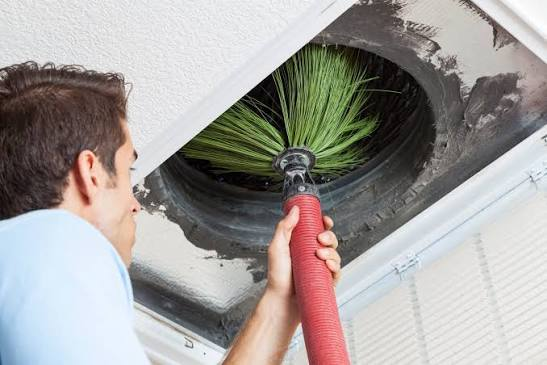
A thorough duct cleaning involves more than just a quick vacuum through your vents. Technicians typically inspect the entire duct system, use specialized tools to dislodge trapped debris, and remove contaminants using high-powered vacuums designed specifically for this purpose. A quality service will also check components like the coils and blower motor, since buildup in these areas can affect performance just as much as dirty ducts.
Breathing easier starts with knowing your home’s air is actually clean, which is exactly what our Air Duct Cleaning service is designed to deliver. Our technicians at Breeze Air Quality take a comprehensive approach, addressing not just the visible dust but the hidden buildup that accumulates deep within your system over the years. We believe this kind of thorough care shouldn’t be complicated or disruptive, so we work efficiently to get your air moving cleanly again without upending your day.
Making Clean Air a Regular Part of Home Care
Caring for your air ducts shouldn’t be an afterthought squeezed in only when something goes wrong. Treating it as a regular part of home maintenance, similar to changing filters or scheduling HVAC tune-ups, helps you stay ahead of problems before they affect your comfort or your wallet.
If it’s been a while since your ducts were last inspected, there’s no better time to get started than now. Reach out to the team at Breeze Air Quality to schedule an assessment and take the first step toward noticeably fresher, cleaner air throughout your home.
Frequently Asked Questions
How long does a typical air duct cleaning take?
Most residential duct cleanings take between two and four hours, depending on the size of your home and the extent of buildup in the system.
Will duct cleaning help with allergies?
Many homeowners report fewer allergy symptoms after a thorough cleaning, since common irritants like dust, pollen, and pet dander are removed from the system.
Is duct cleaning messy or disruptive?
Professional technicians use contained vacuum systems designed to capture debris without spreading dust throughout your home, so the process is far less disruptive than most homeowners expect.
Do I need to be home during the service?
It’s generally recommended that someone be present to provide access to your HVAC system and answer any questions the technician may have.
For More Must Visit: Wyf Meaning