
Best Tapas Gambas al Ajillo Near Me: A Local’s Guide to Finding the Perfect Garlic Shrimp
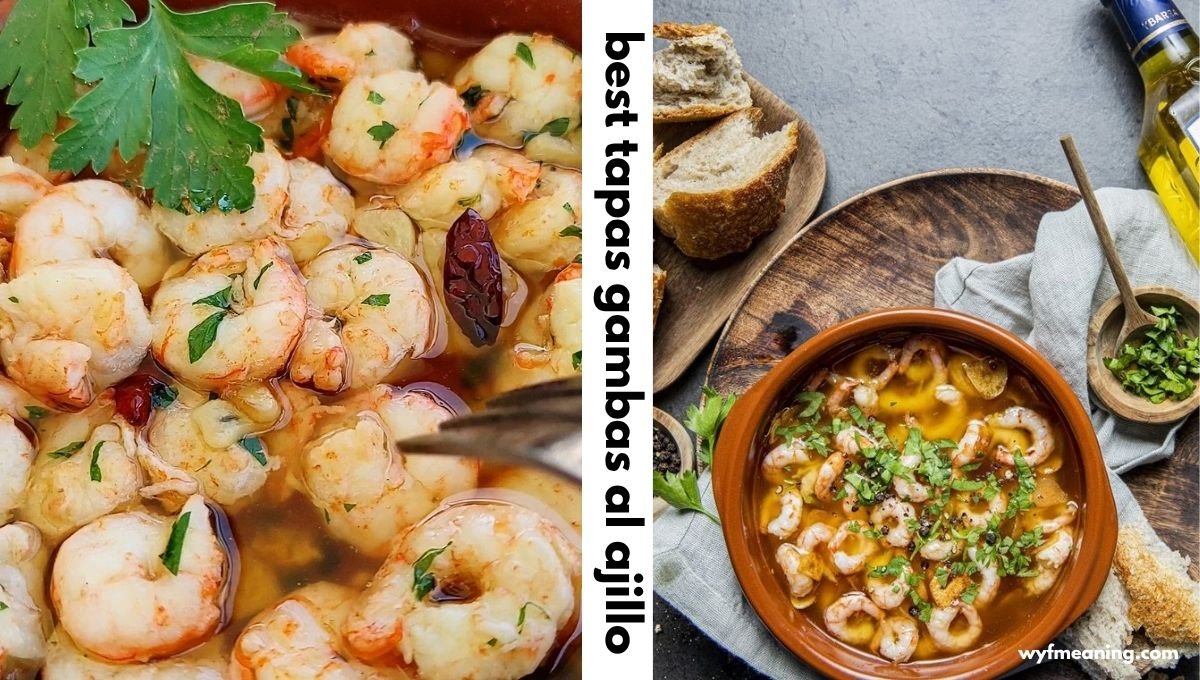
Picture this: a small clay dish arrives at your table, still bubbling, olive oil popping and hissing around plump pink shrimp. Garlic slivers float on top, just barely golden, and a thread of red chili sits there daring you to grab the bread basket. That’s gambas al ajillo, and once you’ve had a truly great version, you start hunting for it everywhere.
If you’ve typed “best tapas gambas al ajillo near me” into a search bar recently, you’re in good company. This dish has quietly become one of the most searched-for tapas orders in the country, and for good reason. It’s simple, it’s fast, and when it’s done right, it’s one of those dishes that makes you close your eyes for a second before you even realize you’re doing it.
This guide breaks down everything you need to know: what gambas al ajillo actually is, how to tell a great plate from a mediocre one, what to look for on a menu, and how to order like you’ve been doing this your whole life. Let’s get into it.
What Is Gambas al Ajillo, Anyway?
Gambas al ajillo translates roughly to “shrimp in garlic,” though that undersells it a bit. The dish hails from Spain, and most food historians trace its roots to Andalusia, the sun-drenched southern region famous for sherry, flamenco, and some of the best seafood tapas on the planet.
At its core, the recipe is deceptively simple:
- Shrimp (fresh, never mushy)
- Garlic, sliced thin, not minced
- Olive oil, and a generous amount of it
- Chili flakes or a whole dried guindilla pepper for heat
- Sometimes a splash of sherry or brandy for depth
That’s basically it. No cream, no heavy sauce, no distractions. The whole dish comes together in under ten minutes, which is part of its charm. It’s fast food in the best possible sense: quick to make, immediate to enjoy.
The clay pot matters more than you’d think. Traditional gambas al ajillo gets cooked and served in a cazuela, a small earthenware dish that retains heat long after it leaves the stove. That’s why the oil keeps sizzling at your table. If a restaurant serves this dish on a flat plate instead of a cazuela, that’s often your first clue you’re not getting the traditional experience.
How to Judge Quality: What Separates Great From Forgettable
Not all gambas al ajillo is created equal, and honestly, a lot of restaurants phone this one in. Here’s what separates a kitchen that knows what it’s doing from one that’s just tossing shrimp in a pan.
The Shrimp Itself
The shrimp should be plump, slightly springy, and never rubbery. Overcooked shrimp is the single most common mistake kitchens make with this dish, since shrimp goes from perfect to tough in about thirty seconds. If your shrimp tastes chewy or curls up into a tight little ball, the kitchen left it in the pan too long.
The Garlic
Good garlic in this dish should be golden, almost translucent at the edges, never dark brown or blackened. Burnt garlic turns bitter fast, and it ruins the whole plate. Sliced garlic (not minced, not jarred) also gives you those satisfying little slivers you can actually see and taste.
The Oil-to-Shrimp Ratio
Here’s something a lot of people don’t realize: the oil is basically the point. A properly made gambas al ajillo comes swimming in good olive oil, infused with garlic and chili, meant for dipping bread into. If your dish comes with barely a slick of oil at the bottom, something’s off.
The Heat Level
Traditional versions carry a gentle kick from chili flakes or a dried guindilla pepper, not a fire-alarm level of spice. It should warm you up, not make you reach for water.
Bread. Always Bread.
If a restaurant serves gambas al ajillo without offering bread on the side, that’s a red flag. The bread isn’t a garnish here; it’s practically a delivery mechanism for the garlic oil, and skipping it means missing half the experience.
“You haven’t really finished the dish until you’ve mopped up every last drop of that oil with bread. That’s not optional. That’s the whole point.” a sentiment shared by tapas cooks across Spain, and one worth keeping in mind next time you order.
Quick Reference Table: Signs of Quality Gambas al Ajillo
| Element | Great Sign | Warning Sign |
|---|---|---|
| Shrimp texture | Plump, slightly springy | Rubbery, tightly curled |
| Garlic color | Golden, translucent edges | Dark brown or blackened |
| Oil quantity | Generous, meant for dipping | Barely a slick at the bottom |
| Heat level | Gentle warmth, builds slowly | Either flavorless or overwhelming |
| Serving dish | Hot clay cazuela, still sizzling | Flat plate, no sizzle |
| Bread service | Included automatically | Not offered or costs extra |
| Cook time on menu | Listed as quick-fire tapas | Suspiciously long wait for a “quick” dish |
Where to Find the Best Tapas Gambas al Ajillo Near Me
This is usually where a guide drops in a list of restaurant names, but here’s an honest note: the best gambas al ajillo near you depends entirely on your city, and even your specific neighborhood. A “best of” list only works if it’s built from real, current, verified spots, not guesses.
That said, here’s how to actually track down the best version near you, step by step.
Search Smart, Not Just Broad
Instead of just searching “tapas near me,” try more specific phrases like:
- “authentic Spanish tapas [your city]”
- “cazuela gambas al ajillo [your neighborhood]”
- “Spanish restaurant garlic shrimp [your city]”
More specific searches tend to surface smaller, more authentic spots instead of generic “tapas-style” chains that treat the menu as an afterthought.
Check the Menu Before You Go
A restaurant that takes gambas al ajillo seriously usually lists it with some specificity. Look for phrases like “served in traditional cazuela,” “guindilla peppers,” or “Andalusian-style.” Vague menu descriptions (“shrimp in garlic sauce”) sometimes signal a shortcut version.
Read Reviews for Specific Language
Skip reviews that just say “great food, great service.” Look for reviewers who mention the dish by name and describe specifics, things like “the oil was incredible with the bread” or “shrimp was perfectly cooked, not chewy at all.” That level of detail usually means a real, memorable experience rather than a generic five-star review.
Ask Locals, Not Just Apps
If you live somewhere with a Spanish or broader European immigrant community, ask around. Small, unassuming neighborhood spots often make the best versions of this dish precisely because they’re not trying to impress tourists, they’re cooking for regulars who’d complain if it wasn’t right.
Look for Sherry on the Drink Menu
This is a surprisingly reliable signal. Restaurants that stock fino or manzanilla sherry tend to take their tapas program seriously overall, since sherry pairs specifically and intentionally with dishes like gambas al ajillo. A restaurant with a thoughtful sherry list has usually put real thought into the rest of the menu too.
A Mini Case Study: How One Search Habit Changed a Neighborhood’s Dining Scene
A few years back, a mid-sized city saw a noticeable spike in searches for “best tapas gambas al ajillo near me” during the fall and winter months, months when comfort food searches typically climb anyway. Local restaurant data (aggregated from delivery platforms and reservation systems) showed something interesting: independent Spanish and Mediterranean restaurants that specifically listed “gambas al ajillo” by name, rather than a vague “garlic shrimp tapas,” saw markedly higher click-through rates and reservation requests compared to competitors with generic descriptions.
The takeaway for diners searching this exact phrase? Restaurants that name the dish correctly and describe it with specificity tend to be the ones actually cooking it with care. It’s a small detail, but it’s a genuinely useful filter when you’re scanning a menu or a delivery app trying to decide where to go.
Tips for Ordering Like a Local
Once you’ve found a promising spot, here’s how to order the way someone who grew up eating tapas would.
- Order it as a starter, not a main course. Tapas culture revolves around sharing several small plates rather than committing to one big dish. Gambas al ajillo works best alongside two or three other tapas.
- Pair it with something crisp. A cold beer, a glass of fino sherry, or a dry white wine like Albariño all cut through the richness of the garlic oil nicely.
- Ask for extra bread. Seriously. Most places will happily bring more if you ask, and you’ll want it.
- Go early for dinner service if you can. Restaurants that turn over fresh seafood shipments tend to have the best shrimp quality earlier in the dinner rush, before the kitchen starts working through the last of the day’s stock.
- Don’t be shy about asking the server how spicy it is. Spice levels vary a lot from kitchen to kitchen, and a good server will tell you honestly.
Can You Make It at Home?
If you’re stuck between cravings and can’t get to a restaurant tonight, gambas al ajillo is genuinely one of the easier tapas to make yourself. You need shrimp, garlic, good olive oil, chili flakes, a splash of sherry if you have it, and about eight minutes.
The single most important tip: don’t walk away from the stove. Garlic goes from golden to burnt in a matter of seconds, and once it burns, the whole dish turns bitter. Everything else about this recipe is forgiving. That one step isn’t.
If you want the full step-by-step version with exact timing and ingredient ratios, that’s worth its own dedicated recipe post, but the short version above will get you shockingly close to restaurant quality with minimal effort.
Frequently Asked Questions
What does gambas al ajillo taste like?
It’s garlicky, slightly nutty from the olive oil, with a gentle chili kick and a briny sweetness from the shrimp itself. It’s rich but not heavy.
Is gambas al ajillo spicy?
Traditionally, it carries mild to moderate heat from chili flakes or a dried guindilla pepper. It’s meant to warm you up, not overwhelm you, though spice levels vary by kitchen.
What’s the difference between gambas al ajillo and shrimp scampi?
They’re cousins, but not twins. Shrimp scampi (an Italian-American dish) typically includes butter, white wine, and often lemon and parsley, giving it a brighter, richer sauce. Gambas al ajillo relies almost entirely on olive oil and garlic, with a drier, more concentrated flavor and a noticeable chili kick that scampi usually lacks.
Can I get gambas al ajillo for takeout?
You can, though something is genuinely lost in translation. The sizzling cazuela presentation and immediate-serve nature of the dish means takeout versions often arrive with the shrimp slightly overcooked from residual heat during transport. If possible, this is a dish best eaten fresh, at the restaurant, in the pot it was cooked in.
What wine pairs best with garlic shrimp tapas?
Fino or manzanilla sherry is the traditional pairing, offering a dry, slightly salty contrast to the richness of the oil. If sherry isn’t your thing, a crisp Albariño or even a light, dry Cava works well too.
Finding Your Go-To Spot
At the end of the day, finding the best tapas gambas al ajillo near you comes down to paying attention to the small details: the cazuela, the color of the garlic, the generosity of the oil, and whether the kitchen treats this dish as a specialty rather than an afterthought. Once you find a spot that nails all of that, you’ll know it. You’ll be the one recommending it to everyone else searching “best tapas gambas al ajillo near me” next time they’re craving something with a little sizzle.